
Salad in a Lunchbox—A Good Idea?
⏱ Reading time: about 14 min.
A fresh salad during your lunch break sounds tempting. But by the time you’re ready to eat it, it’s often turned into an unappetizing, mushy mess. Many people are familiar with this problem: the carefully prepared dish loses its texture and flavor.
This disappointment leads many to resort to ready-made meals or less healthy alternatives. But it’s actually not that hard to prepare a crisp and appetizing salad to take with you that still tastes great even hours later.
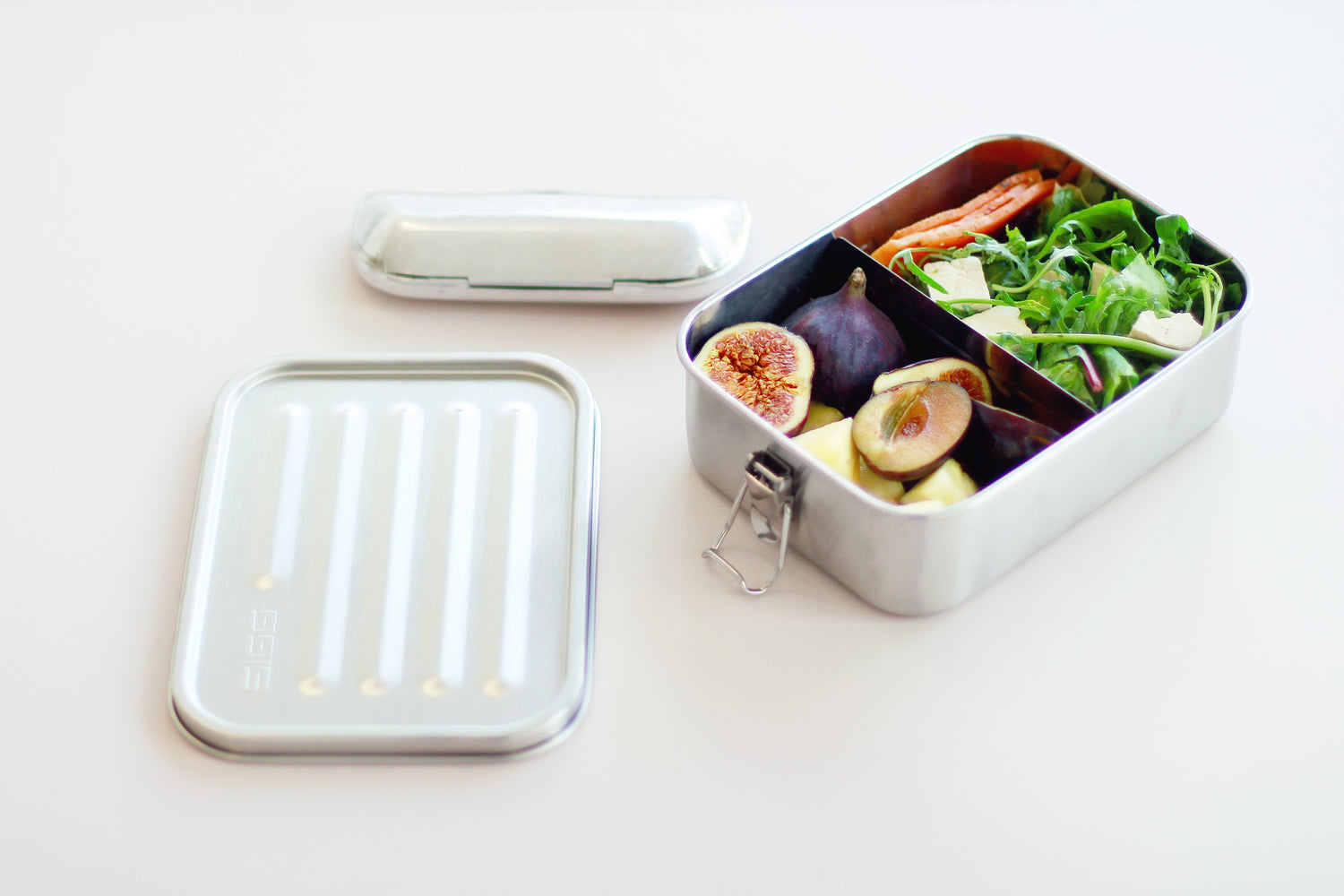
SIGG lunchboxes make delicious salads possible, even on the go
We’ll show you some practical solutions. Which ingredients work best, how do you layer them correctly, and which containers best preserve freshness?
This way, the salad in your lunchbox is always a treat.
In a nutshell
- Proper layering keeps the salad crisp.
- Moisture-sensitive ingredients should go on top.
- Always transport salad dressings separately or layer them at the bottom.
- Airtight containers made of glass or stainless steel keep food fresh longer.
The Ingredients
Choosing the right ingredients is key to how long a salad will stay fresh in a lunchbox. Not every ingredient retains its texture and freshness for several hours. The trick is to strategically combine water-rich and firm ingredients.
Leafy greens like romaine or iceberg lettuce are more robust than delicate varieties like arugula or lamb’s lettuce; they wilt more slowly and withstand the pressure inside the container better. Vegetables with a firm texture, such as carrots, cucumbers, or bell peppers, also retain their crunch.
Cooked legumes like lentils or chickpeas add valuable protein and fiber to the salad. They’re not sensitive to moisture and help you feel full. Grains like quinoa or couscous also work great.
Choose sturdy vegetables
For long-lasting freshness, vegetables with low water content or a firm cellular structure are ideal. These include, for example, radishes, celery, or broccoli. These ingredients resist wilting and stay crisp for hours.
Although tomatoes and cucumbers release a lot of moisture, they can be easily incorporated with proper layering. A slice of bread or a piece of paper towel can absorb excess liquid and thus protect other ingredients.
Avocado oxidizes quickly and turns brown. A splash of lemon juice slows this process, but it’s best to add avocado just before eating. The same applies to apples and pears, which also oxidize quickly.
Proteins and Carbohydrates for Satiety
A balanced salad needs more than just vegetables. Cooked chicken breast, tofu, or feta are excellent sources of protein. They are stable and do not release unwanted moisture that could make the salad soggy.
Complex carbohydrates such as sweet potatoes, quinoa, or whole-grain pasta provide long-lasting energy. These ingredients can be prepared in advance and are not sensitive to temperature fluctuations during transport.
A handful of nuts or seeds—such as walnuts or pumpkin seeds—provides healthy fats and adds a crunchy texture. However, these should be sprinkled over the salad just before eating to prevent them from getting soggy.
In short: hearty vegetables, stable protein sources, and separate dressings are key to a fresh salad in your lunchbox.
Layering Salad Properly in a Jar
The layering technique is the key to a salad that still looks and tastes great even after hours. A salad in a jar, also known as a “screw-top jar salad,” uses gravity and the density of the ingredients to prevent them from mixing and becoming soggy. The principle is simple: heavy, moisture-resistant ingredients go on the bottom, while light and delicate ones go on top.
A typical example: start with the dressing at the bottom of the jar. Next come firm vegetables, followed by proteins and carbohydrates. The leafy greens and toppings go on last. This method prevents the salad from getting soggy prematurely.
An airtight seal is also crucial. It protects the contents from oxygen, which accelerates spoilage, and keeps the moisture level inside constant. A well-layered salad can stay fresh in the refrigerator for up to three days this way.
The Dressing First: The Key to Freshness
Place the salad dressing at the bottom of the jar. Two to three tablespoons are usually enough. Vinegar-oil combinations or creamy yogurt-based dressings work equally well. The dressing forms a barrier and protects the layers above it from drying out.
Hard vegetables such as diced carrots, bell pepper strips, or cucumber slices are placed directly on top of the dressing. These slowly absorb the dressing without becoming mushy right away. Chickpeas or lentils can also be added here.
Some people prefer to pack the dressing separately in a small container. This gives you maximum control over the amount and prevents any risk of the salad getting soggy. Simply pour the dressing over the salad just before eating.
Layering for Optimal Texture
The firm vegetables are followed by proteins and carbohydrates. Cooked pasta, quinoa, rice, or couscous form another layer that absorbs the dressing only slowly. Grilled chicken, cubed feta, or tofu can be placed on top of this.
The next layer consists of softer vegetables or fruits that shouldn’t come into direct contact with the dressing. This is where tomatoes, avocado (drizzled with lemon juice), or berries go. This layer acts as a buffer.
At the very top of the jar—and thus farthest from the dressing—go the leafy greens and delicate herbs. This keeps them dry and crisp. Just before eating, shake the jar or transfer the contents to a bowl to mix everything together.
Practical Tip
To prevent premature wilting, always pour the dressing as the bottom layer or transport it separately in a small container. This way, the leafy greens stay crisp and fresh until you’re ready to eat.
Which lunchboxes really keep salads fresh?
Choosing the right lunchbox has a significant impact on the freshness of the salad. Not every material or design is equally suitable for transporting salads. An airtight seal is the most important criterion. It prevents air from entering—which accelerates oxidation—and protects against liquid leaks.
Containers made of glass or high-quality stainless steel are often the best choice. Glass is flavor-neutral and easy to clean. Stainless steel is particularly sturdy and durable. Both materials are also free of harmful substances and contribute to food safety.
Many modern lunchboxes feature separate compartments or inserts. These allow you to transport dressing, toppings, or delicate ingredients separately from the main salad. All components are combined just before eating, which maximizes freshness.
Advantages of Glass Containers
Glass containers offer a number of advantages for transporting salads. They are completely flavorless and odorless, which means the salad retains its original taste. In addition, glass containers can be cleaned very thoroughly and are dishwasher-safe.
The transparency of glass allows for a quick glance at the contents without having to open the container. This is convenient for checking the condition of the salad. Another advantage is that they are microwave-safe, in case side dishes need to be reheated.
Some glass containers are equipped with silicone seals and snap-on lids, which ensure completely airtight and leak-proof storage. This is crucial for safely transporting the dressing and preventing the salad from getting soggy.
Stainless Steel and Modular Systems
Stainless steel lunch boxes are extremely durable and virtually indestructible. They’re ideal for daily use and can withstand bumps and knocks. Stainless steel is also tasteless and easy to clean, though it’s not microwave-safe.
Modular systems with multiple compartments or removable inserts are particularly flexible. They allow you to store different salad components—such as dressing, croutons, or fruit—separately. This prevents them from getting soggy prematurely.
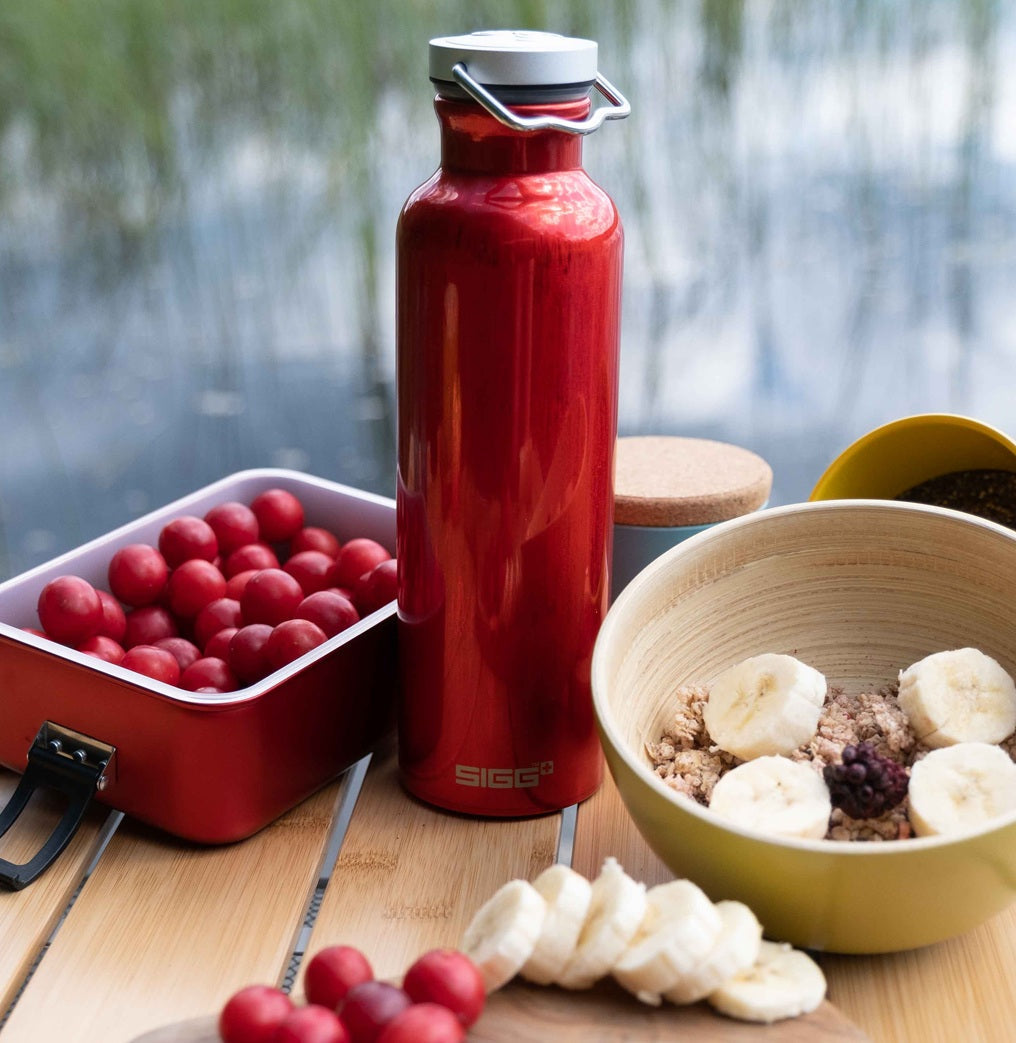
Some systems even include small ice packs that can be integrated into the lid or inserted separately. These keep the salad cool and fresh for hours, which is especially important on warm days. The SIGG brand, for example, offers sturdy containers that are specifically designed for transporting food and often feature such modular solutions.
How to Avoid Soggy Salad and Brown Leaves
Soggy lettuce and brown leaves are the most common annoyances when transporting salads. This is usually due to a combination of moisture, oxygen, and mechanical stress. Properly preparing and packing the ingredients is crucial to avoiding these problems. A salad that arrives wilted and unappetizing is hardly enjoyable to eat.
A common misconception is that all ingredients can be washed and chopped the night before. However, many delicate leafy greens should be washed and dried just before serving. Moisture on the leaves significantly accelerates the wilting process.
Contact with the acid in the dressing is another factor that contributes to the salad becoming mushy. Therefore, keeping the dressing separate from the salad until the very last moment is one of the most effective strategies. Temperature also plays a role: A warm salad wilts faster than a chilled one.
Preparing and Drying Leafy Greens Properly
How you prepare leafy greens is crucial to their crispness. After washing, the leaves must be thoroughly dried. A salad spinner effectively removes excess water. Any remaining moisture quickly leads to brown edges and a soft texture.
Another method is to spread the washed leaves out on a clean kitchen towel to let them air-dry. It’s best to place them in the container only once the leaves are completely dry. This prevents condensation from forming, which can also damage the lettuce.
Delicate lettuce varieties such as arugula or lamb’s lettuce should be placed at the very top of the container whenever possible. They cannot tolerate pressure and wilt particularly quickly when exposed to moisture or dressing. Hardy varieties such as romaine lettuce are more resilient in this regard.
Myth vs. Fact
Myth
A damp paper towel keeps the lettuce fresh longer.
Fact
Excess moisture promotes wilting and bacterial growth, but a dry paper towel can absorb condensation.
Keep the dressing separate and ensure it stays cool
Dressing is the biggest enemy of salad texture. It should always be transported separately and added to the salad just before eating. Small, leak-proof containers are ideal for this. This keeps the salad crisp until the very last moment.
Consistent cooling during transport is also crucial. A cooler bag with ice packs keeps the salad fresh for several hours. Temperatures above 20 °C accelerate the spoilage of leafy greens and promote the growth of microorganisms.
Active cooling is essential, especially on warm days or during longer trips. A salad stored at room temperature not only loses its crispness but can also pose health risks, particularly if it contains proteins such as chicken or fish.
In short: Thoroughly drying the salad and storing the dressing separately are crucial for maintaining freshness.
Which dressings work well for transport?
Choosing the right dressing is crucial for a salad in a lunchbox. Not every dressing is equally suitable for transport and extended storage. Creamy dressings made with mayonnaise or yogurt can spoil quickly if stored for a long time without refrigeration. A vinegar-and-oil dressing is often the safer and more stable choice here.
A well-chosen dressing should not only complement the salad’s flavor but also help extend its shelf life. It’s advisable to choose dressings that are less sensitive to temperature fluctuations. Homemade dressings without fresh dairy products often have an advantage here.
The portion size of the dressing also plays a role. Too much dressing can quickly make the salad soggy. A small, separate jar or a dressing container with a screw-top lid is ideal for measuring out the exact amount and preventing leaks.
Vinegar-and-oil dressings as a stable base
Vinegar-oil dressings are the classic choice for lunchbox salads. They’re stable, don’t spoil as quickly, and are easy to prepare in advance. A mixture of olive oil, balsamic vinegar, mustard, salt, and pepper makes an excellent base.
Variations with lemon juice, herbs like oregano or thyme, and a pinch of sugar or honey add extra depth to the dressing. These dressings can be stored in the refrigerator for several days without losing quality.
Another advantage is that vinegar-oil dressings don’t cause leafy greens to wilt as quickly as some creamy varieties do. The acidity in the vinegar also acts as a mild preservative, which indirectly helps extend the salad’s shelf life.
Enjoy Creamy Dressings with Caution
Creamy dressings made with yogurt, quark, or mayonnaise are popular, but they’re more sensitive during transport. They require a continuous cold chain to prevent spoilage. At higher temperatures, they can quickly turn sour or separate.
If you still don’t want to do without creamy dressings, you should opt for plant-based alternatives. Cashew- or tahini-based dressings are often more stable and offer a similar creaminess. They’re also lactose-free and vegan.
A good strategy is to pack creamy dressings in a very small, tightly sealed container and add them only immediately before eating. This minimizes the risk and preserves the fresh flavor. An ice pack in your lunchbox is a must.
Did you know?
A tightly sealed jar of layered salad can be stored in the refrigerator for up to three days without losing quality, provided the ingredients are layered correctly.
What’s the best way to prepare salad components?
Preparing the individual salad components is a key factor in the efficiency and quality of the salad in your lunchbox. Thoughtful “meal prep” saves time and ensures that all ingredients are fresh and ready to use. If you prepare the base on Sunday evening, you’ll have quick and healthy meals all week long.
Vegetables can be washed, peeled, and cut. Hard vegetables like carrots, bell peppers, or kohlrabi can be easily cut into sticks or cubes and stored in airtight containers in the refrigerator. This way, they stay crisp for several days.
Protein sources like chicken breast or tofu can be boiled, pan-fried, or baked and then portioned out. Hard-boiled eggs and legumes are also easy to prepare in advance. These ingredients are less perishable and store well.
Cutting and Storing Vegetables
Hard vegetables like carrots, celery, or kohlrabi can be washed, peeled, and cut into the desired shape over the weekend. They can be stored in airtight glass containers or reusable bags in the refrigerator. A damp kitchen towel can also help preserve freshness.
Onions and leeks, however, should be cut just before use, as they quickly lose their flavor and can affect the taste of other ingredients. Mushrooms should also be used fresh, as they quickly absorb moisture and become mushy.
Some vegetables, such as broccoli or cauliflower, can be blanched. This makes them easier to digest and shortens the cooking time if they are to be eaten warm. Blanched vegetables should also be stored in airtight containers after cooling.
Pre-cook Proteins and Carbohydrates
Cooked chicken breast, pan-fried tofu, or hard-boiled eggs are ideal protein sources for the lunchbox. They can be prepared in larger quantities and then portioned out. They’ll keep in the refrigerator for two to three days.
Carbohydrate sources such as quinoa, couscous, rice, or whole-grain pasta also cook well in advance. Once cooled, it’s best to store them in airtight containers as well. This makes putting together your daily salad much easier.
For a quick meal, you can also rely on canned foods. Canned chickpeas, lentils, or corn are already ready to eat and just need to be rinsed. They’re a practical addition when you’re short on time for preparation.
Important to Know
Avocado oxidizes quickly and turns brown. A splash of lemon juice can slow this down, but it’s best to cut and add it just before eating.
Frequently Asked Questions
Conclusion: Fresh enjoyment thanks to planning and the right technique
Packing a salad in your lunchbox is by no means a bad idea—it’s an excellent way to eat a healthy, balanced meal even when you’re on the go. The key to success lies in careful planning, selecting suitable ingredients, and using specific techniques for layering and packing. This ensures that the salad not only looks appealing but also stays fresh and crisp in taste.
Investing in a high-quality, airtight lunchbox with separate compartments pays off in the long run. It protects delicate ingredients and allows you to transport dressing safely. With a little practice, preparing salads for on the go becomes a quick and easy routine.
Anyone who follows this advice will find that a homemade salad during lunch break is a welcome change from ready-made meals. It provides important nutrients and contributes significantly to your well-being—a real benefit for everyday life.