
![Geruch Brotdose [KI]](http://sigg.com/cdn/shop/articles/Geruch_Brotdose_6c860306-cedf-4ba7-9ab3-508b6df2b8b8.jpg?v=1788858737&width=1500)
How can you get rid of odors in your lunchbox?
Stubborn odors in a lunchbox can quickly become a nuisance, especially when yesterday’s smell still clings to your lunch. This not only affects the taste of fresh food but can also dampen your appetite for your next meal.
Many people underestimate how deeply certain odors can penetrate the materials. Effective cleaning therefore requires more than just a quick rinse under running water.
This article explores the causes of unwanted odors and offers tried-and-true solutions. It shows how to use simple tools and targeted methods to restore your lunchbox to a neutral, hygienically clean state.
Odors in lunchboxes are often caused by food residue that gets trapped in the pores of the material and is broken down by microorganisms, making thorough cleaning essential.
In a nutshell
- Food scraps cause most odors.
- Household remedies like baking soda or vinegar are effective at neutralizing odors.
- Materials like silicone and plastic are more prone to odors.
- Regular maintenance prevents odors from forming.
Why do lunchboxes develop unpleasant odors?
Lunchboxes develop unpleasant odors because volatile organic compounds from food become trapped in the pores of the material. These substances—often sulfur-containing compounds from onions or garlic—are extremely stubborn.
A typical example: A sandwich with salami and cheese sits in the container for hours. The aromas released in the process bind to the surface molecules of the material.
Plastics such as polypropylene or polyethylene are particularly prone to absorbing odors. Their microscopic pores provide an ideal surface for odor molecules to attach to.
Silicone, although often advertised as odorless, can also absorb odors, especially after prolonged exposure to strongly scented foods. Stainless steel, on the other hand, is significantly less susceptible due to its smooth, non-porous surface.
 |
Your new NIMO lunchbox is already waiting for you.
|
The Role of Material and Storage
The material of the lunchbox significantly affects how easily it absorbs odors. Plastic containers are often the biggest odor magnets, as their structure literally traps odor molecules.
Stainless steel lunch boxes offer a significantly better alternative here, as their smooth surface barely absorbs odors. Glass containers are even more resistant, but are often impractical for transport.
The method of storage also plays a role. A lunchbox that isn’t cleaned immediately after use and left to dry open will develop unpleasant odors more quickly. Moisture and heat promote the growth of bacteria, which break down organic residues and release strong-smelling substances in the process.
Odors can also transfer from one food item to another. An apple placed next to a piece of garlic bread will take on its aroma. It is therefore advisable to keep foods well separated.
Identifying Stubborn Sources of Odors
Certain foods are real odor champions. These include onions, garlic, curry, fish, and some types of cheese. Their aromas are intense and cling particularly well.
Highly oily or greasy foods can also leave odors behind, as fat molecules act as carriers for aromatic compounds. These then become lodged in the pores of materials and are difficult to remove.
Another factor is temperature. Warm foods release odors more intensely than cold ones. Therefore, it’s advisable to transport strong-smelling, warm foods in special, tightly sealable containers.
Sometimes it’s not the food itself, but the rubber gaskets or hard-to-reach corners of the container where residue accumulates. These areas require special attention during cleaning.
In short: Odors are caused by volatile food molecules being absorbed into the pores of the material, with plastic being the most susceptible, making prompt cleaning essential.
What home remedies are effective against bread box odors?
Various home remedies effectively combat stubborn bread box odors by neutralizing or absorbing odor molecules. Baking soda, vinegar, and coffee grounds are the best-known and most effective options.
These remedies are not only inexpensive but also environmentally friendly and safe to use.
They’re usually easy to use and take very little time. Many of these methods can also be used preventatively to minimize odors from the start.
Practical Tip
For particularly stubborn odors in plastic containers, soaking them overnight in a baking soda and water solution can work wonders. A mixture of two tablespoons of baking soda in 500 ml of water is often sufficient.
Baking Soda and Baking Powder as Odor Neutralizers
Baking soda, chemically known as sodium bicarbonate, is a proven method for neutralizing odors. It binds acids and bases, which are responsible for many unpleasant odors.
To use it, add one tablespoon of baking soda to a clean, dry lunchbox. Then close the box and let the powder sit for at least 24 hours. Rinse thoroughly afterward.
Baking powder, which also contains sodium bicarbonate, works in a similar way. A paste made from baking powder and a little water can be applied directly to the affected areas and left to work for a few hours.
This method is particularly effective for plastic containers, whose porous surfaces absorb odor molecules deeply. The fine powder structure of baking soda penetrates these pores and neutralizes the odors there.
Vinegar and Citric Acid for Fresh Cleanliness
Vinegar, especially white household vinegar, is a strong acid that breaks down many odor molecules. Its disinfecting effect also contributes to hygiene.
Fill the lunchbox with a mixture of equal parts vinegar and water, shake well, and let it sit for about an hour. Then rinse thoroughly with clean water to remove the vinegar smell.
Citric acid, either as a powder or fresh lemon juice, has a similar effect. The advantage is the more pleasant, fresh scent that remains after use.
A few slices of lemon can be left in the container overnight to remove mild odors. The lemon’s natural acidity acts as a gentle odor neutralizer.
Coffee Grounds and Rice for Stubborn Odors
Coffee grounds are an excellent odor absorber. The porous structure of the coffee effectively binds odor molecules. Add a few tablespoons of dry coffee grounds to the can, seal it, and let it sit for at least 48 hours.
The coffee smell itself dissipates relatively quickly after rinsing. This method works especially well for cans that smell like fish or strong cheese.
Rice, especially uncooked rice, can also serve as an odor absorber. Its dry, porous surface attracts moisture and, with it, odor molecules. Place a handful of rice in the can and let it sit overnight.
While this method is less harsh than baking soda or vinegar, it’s quite effective for mild to moderate odors.
How do you properly clean lunchboxes made of different materials?
The proper cleaning of lunchboxes depends heavily on the material, as each material has specific properties. Plastic, silicone, and stainless steel require different approaches to effectively remove odors and preserve the lunchbox’s lifespan.
Improper cleaning can damage the material, actually promote odor buildup, or render the container unusable. Therefore, it’s important to understand the specific characteristics of each material.
Some materials can withstand high temperatures in the dishwasher well, while others cannot. The choice of cleaning agent also plays a crucial role in the success of the cleaning process.
Cleaning Plastic Lunch Boxes
Plastic lunch boxes require particularly careful cleaning, as their porous surface easily absorbs odors. A quick hand wash is often not enough to remove stubborn odors.
After each use, the container should be washed immediately with warm water and dish soap. For stronger odors, the baking soda method has proven effective: Let a tablespoon of baking soda sit in the container overnight.
It’s best to avoid harsh abrasive cleaners or brushes that could scratch the surface. Such scratches provide even more surface area for odor molecules to cling to.
Some plastic containers are dishwasher-safe, but high temperatures in the dishwasher can actually increase odor absorption or cause the material to become brittle over time. Therefore, hand-washing is often the better choice.
Caring for Silicone and Stainless Steel Lunch Boxes
Silicone lunch boxes are flexible and often heat-resistant, which makes cleaning easier and ensures hygienic cleanliness.
For stubborn odors in silicone, soaking the container in vinegar water helps. Boiling it in water for about ten minutes can also neutralize odors, as the heat breaks down the molecules.
Stainless steel lunch boxes are the easiest to maintain. Their smooth, non-porous surface hardly absorbs any odors. A simple wash with warm water and dish soap is usually sufficient.
Stainless steel is also dishwasher-safe and extremely durable. Wiping it down occasionally with a damp cloth and a little vinegar can also restore its shine and remove any mild odors.
In short: Plastic containers require thorough hand-washing with baking soda, while silicone and stainless steel containers are dishwasher-safe, and vinegar or boiling water effectively eliminates odors.
What preventive measures can help prevent odors in a lunchbox?
Preventive measures are key to stopping odors from developing in your lunchbox in the first place. A consistent routine and proper care after each use play a central role here.
It’s much easier to prevent odors from developing in the first place than to laboriously remove them later. Small habits can make a big difference here.
Choosing the right lunchbox and the way you pack your food are also important factors. A well-thought-out strategy not only protects against odors but also prevents bacterial growth.
Immediate Cleaning and Thorough Drying
The most important preventive measure is to clean the lunchbox immediately after each use. Food residue should not be allowed to dry out or remain in the box for hours.
After washing, thorough drying is crucial. A damp container provides an ideal breeding ground for bacteria and mold, which cause unpleasant odors.
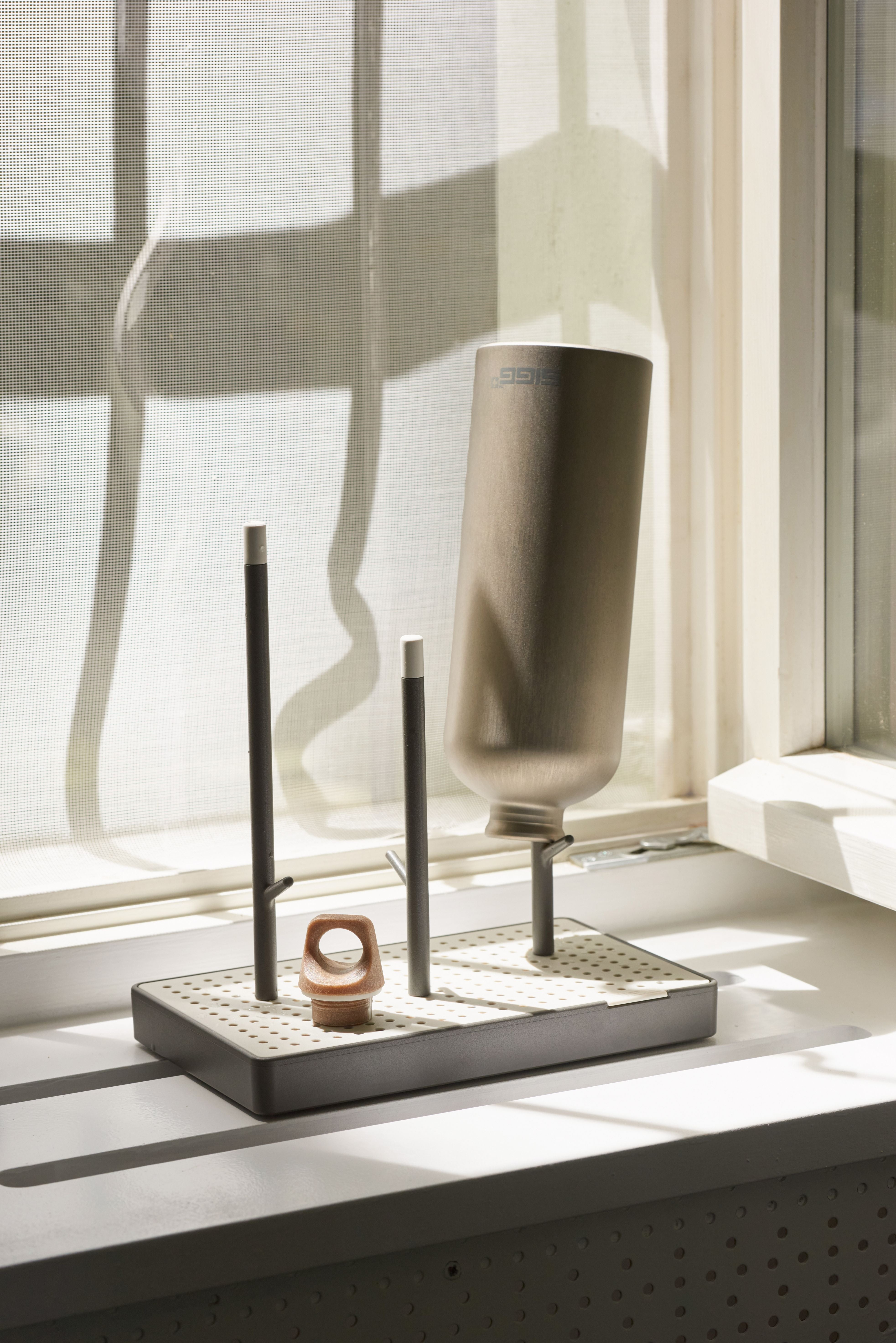
Ideally, the container should be left open to air dry until all moisture has disappeared. Let the lid and seals dry separately to prevent moisture buildup.
There’s a myth that the dishwasher is always the best solution. But especially with plastic, the heat can open the pores and cause odors to be absorbed. Washing by hand with cold water is often gentler.
Using Dividers and Plastic Wrap
To prevent odors from transferring between different foods, dividers or separate compartments in the lunchbox are very helpful.
Plastic wrap or small reusable bags can also be used to wrap individual foods separately. This minimizes direct contact with the inside of the container.
This extra packaging is especially advisable for foods like onions, garlic, or strong-smelling cheeses.
For storing liquid or moist foods, it’s recommended to use leak-proof containers placed inside the lunchbox. This prevents leaks and the development of odors from liquids.
Which option is right for you?
Stainless Steel Lunch Boxes
Ideal for anyone looking for maximum odor resistance and durability and who prefers easy cleaning.
Plastic lunch boxes
Suitable for users who value a lightweight design and often lower purchase costs, but are willing to put in more effort to manage odors.
Regular replacement of gaskets and accessories
Rubber gaskets in lunch boxes are often a weak point when it comes to odor buildup.
Replacing these seals regularly can significantly reduce odor buildup. Many manufacturers offer replacement seals that are easy to install.
Other accessories, such as dividers or small containers, should also be checked regularly for odors and, if necessary, thoroughly cleaned or replaced. This is especially true for silicone seals, which can lose their elasticity over time.
Proper care also includes thoroughly drying the seals after each cleaning and not reinserting them while they’re still damp. This effectively prevents mold growth and the associated odor.
Special Cases: What to Do About Extremely Stubborn Odors?
Sometimes the odors in a lunchbox are so extremely stubborn that conventional home remedies reach their limits. This requires special measures and patience to get the lunchbox odor-free again.
Such an “emergency” often occurs when strongly scented foods have been left in the container for an extended period or when cleaning has been neglected for a long time.
In these cases, a combination of different methods is often the most successful. The goal is to remove the odor molecules from the deepest pores of the material.
Important to know
Best to avoid: using bleach or harsh chemical cleaners. These can damage the lunchbox’s material, leave behind harmful residues, and even increase odor absorption over time.
Harness the Power of the Sun
Ultraviolet light, especially that from the sun, has a disinfecting and odor-neutralizing effect. A thoroughly cleaned lunchbox can be placed in direct sunlight for a few hours.
UV radiation breaks down organic residues and odor molecules. It’s important to leave the lunchbox open so that air can circulate and reach all surfaces.
This method is particularly effective for plastic containers. However, exposure to the sun can cause slight discoloration in some plastics, though this is usually harmless.
A few hours of sunlight is often enough to significantly reduce even stubborn odors, such as those from curry or garlic. The sun’s natural energy is a powerful ally here.
Activated Carbon and Zeolite as Odor Absorbers
Activated charcoal is known for its extremely high absorption capacity. Its porous structure effectively binds odor molecules. A small bag of activated charcoal granules can be placed inside a sealed lunchbox for several days.
This method is particularly effective for odors that have become deeply embedded in the material. Activated charcoal is odorless and leaves no residue.
Zeolite, a natural mineral, works similarly to activated charcoal. It also has a high adsorption capacity and can absorb odors and moisture. Zeolite granules are available at drugstores or online.
Both substances are reusable. After use, they can be regenerated in the sun to restore their absorption capacity. This makes them a sustainable solution.
Rating at a Glance
Final Recommendations for an Odor-Free Lunch Box
An odor-free lunchbox is the result of a combination of preventive care and targeted cleaning. The choice of material plays a role, but consistently using the right methods is crucial.
It’s a common misconception that odors in lunchboxes are inevitable. With the right strategies, even the most stubborn odors can be permanently eliminated.
Investing in a high-quality stainless steel lunchbox can make maintenance easier in the long run. However, even with these models, regular cleaning is essential.
Ultimately, it’s about developing a routine that meets your individual needs and the type of food you’re carrying. This way, your lunchbox will always stay fresh and appetizing.
Regular cleaning is a must.
Home remedies work wonders.
The choice of material affects odors.
Long-Term Strategies for Freshness
A long-term strategy for keeping your lunchbox fresh at all times involves rotating several lunchboxes. This allows individual lunchboxes to be thoroughly cleaned and well-ventilated after heavy use.
Using high-quality, toxin-free materials that are less prone to absorbing odors is also a worthwhile investment. Products made from odor-free materials can offer advantages here.
Another aspect is the careful selection of foods. Strong-smelling foods should only be transported in well-sealed additional containers to minimize direct contact with the lunchbox.
Regularly checking and replacing gaskets and other wear-and-tear parts prevents odors from settling in these hard-to-reach areas and lingering there permanently.
When Is It Time for a New Lunch Box?
Despite your best efforts, there may come a time when a lunchbox can no longer be made odor-free. This is often the case when the material is already heavily worn or porous.
Deep scratches or cracks in plastic lunchboxes provide ideal hiding places for odor molecules. In such cases, it’s advisable to consider purchasing a new lunchbox.
Especially with older plastic containers that have been exposed to strongly scented foods over the years, the material may be so saturated that completely neutralizing the odor is virtually impossible.
A new lunchbox, ideally made of stainless steel or glass, can be a long-term solution.
Frequently Asked Questions
Conclusion on Odor-Free Lunch Boxes
An odor-free lunchbox significantly enhances the enjoyment of meals and is a sign of good hygiene. It’s clear that a combination of immediate cleaning, the use of suitable cleaning agents, and preventive measures is the most effective way to permanently eliminate unpleasant odors. It’s important to consider the material properties of the lunchbox and to rely on gentle yet effective methods.
Choosing the right lunchbox also plays a crucial role. Materials such as stainless steel or glass are naturally more odor-neutral than many plastics. Those who still prefer plastic should look for high-quality, toxin-free products that are specifically designed to minimize odor absorption. This keeps the lunchbox fresh for a long time and ensures that the food tastes the way it should.
Ultimately, taking care of your lunchbox is a small habit that makes a big difference. With the right strategies and products, you can ensure that every meal from your lunchbox remains a pure pleasure—free of unpleasant odors and full of freshness.