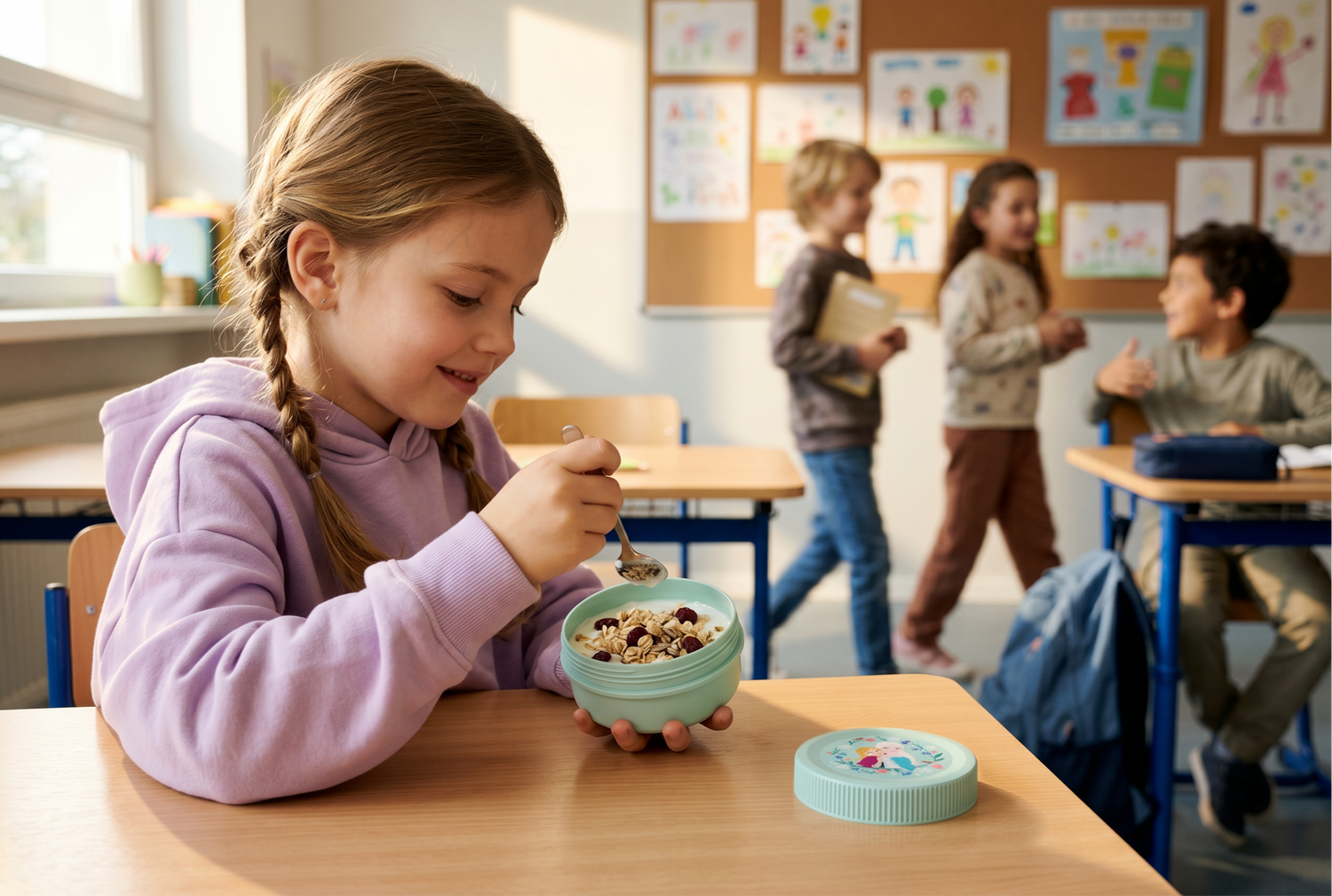
Leak-Proof Lunch Box
The search for a truly leak-proof lunchbox often feels like an odyssey. Many models promise to be leak-proof, but the reality inside a backpack or school bag is usually quite different. Leaked yogurt or salad dressing can ruin the entire contents and cause frustration.
A leaky container can not only make a meal inedible but also damage books, documents, or electronic devices. Choosing the right material and a reliable seal is therefore crucial for making everyday life less stressful.
This guide highlights the most important criteria for leak-proof lunchboxes. It helps you find the right solution for different needs and explains which technologies keep liquids securely inside the container.
A leak-proof lunchbox is a container that reliably keeps food and liquids inside without allowing moisture to escape. This is primarily achieved through special sealing systems and durable materials that ensure the integrity of the lunchbox under various transport conditions.
In a nutshell
- Silicone seals and clip-on lids offer the highest level of leak-proof protection.
- Stainless steel and Tritan are sturdy and durable materials for lunchboxes.
- Multiple compartments prevent dry and moist foods from mixing.
- Regular maintenance of the seals significantly extends the container’s lifespan.
Which materials guarantee a reliable seal?
For a truly leak-proof lunchbox, the materials used play a key role, as they form the basis for the seal. Sturdy materials such as stainless steel or high-quality plastic provide the necessary stability and resistance to deformation, which could compromise the seal.
Materials such as stainless steel or Tritan have proven themselves in practice. Stainless steel is extremely durable, odorless and tasteless, and does not react with food. Tritan, a modern plastic, is BPA-free, shatter-resistant, and also odorless and tasteless, making it ideal for everyday use.
Stainless Steel: Durability and Hygiene
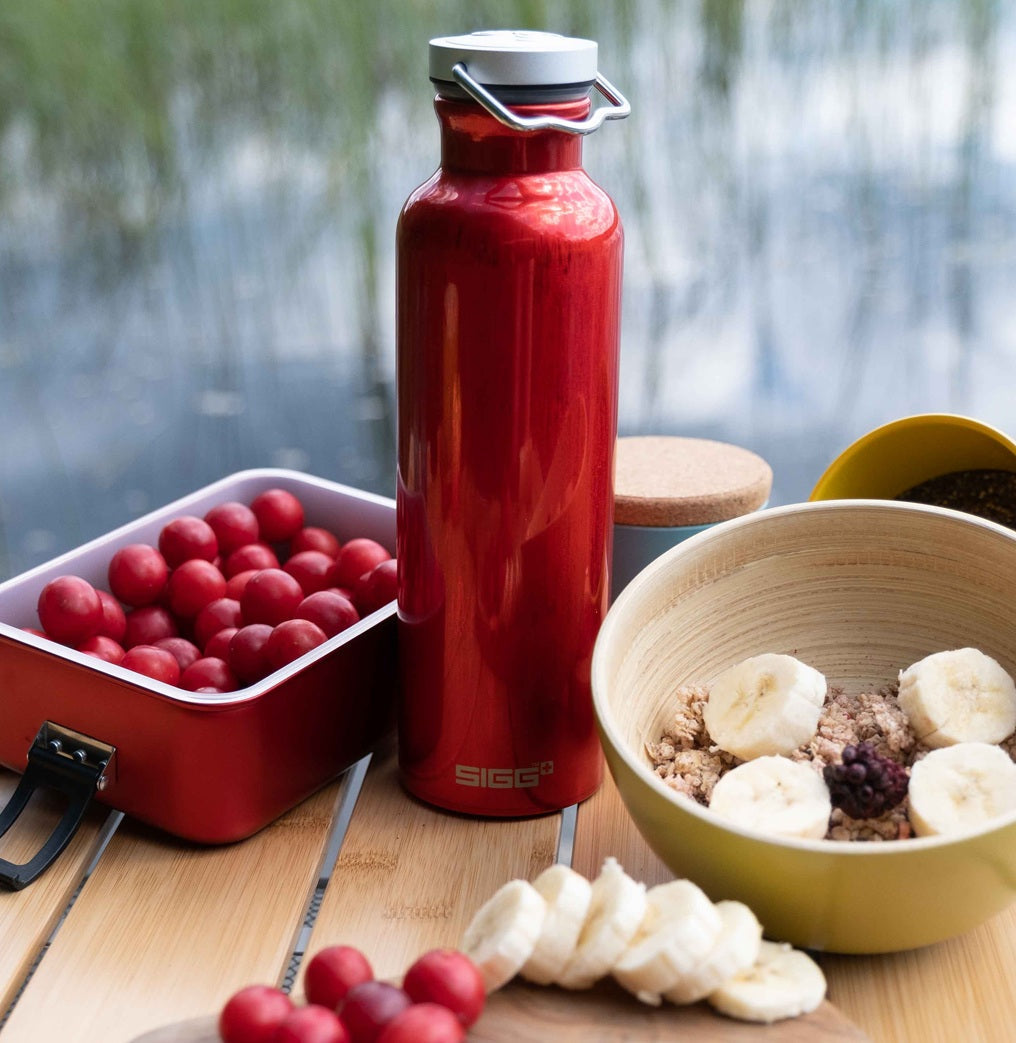
Stainless steel lunchboxes are particularly durable and resistant to bumps and drops. The smooth surface also prevents bacteria and odors from adhering.
Many stainless steel models feature a silicone ring in the lid that ensures a tight seal. This ring must be checked regularly for damage, as cracks or deformations can compromise leak-proof performance.
Some stainless steel lunch boxes also offer separate compartments divided by their own seals. This allows you to transport different foods without them mixing or liquids leaking between the compartments.
Tritan: Lightweight and Transparent
Tritan is an innovative plastic that combines the advantages of glass and conventional plastic. It is extremely shatter-resistant, lightweight, and transparent, allowing you to see the contents. Additionally, Tritan is free of bisphenol A (BPA) and other plasticizers.
The high material density of Tritan lunch boxes contributes to their dimensional stability, which is important for the seals to function properly. These boxes are often combined with a snap-lock system that presses the lid firmly against the sealing ring.
Tritan is also dishwasher-safe and retains its transparency over time without yellowing or absorbing odors. These properties make it a popular choice for lunchboxes that need to withstand the rigors of daily use.
Practical Tip
When buying a leak-proof lunchbox, it’s always a good idea to check the seal materials. Silicone is the top choice here, as it’s flexible and resistant to temperature fluctuations. A well-fitting silicone seal is crucial for long-term leak protection.
Which closure mechanisms offer the best leak protection?
A lunchbox’s leak-proofness depends largely on the closure mechanism. A weak closure can render even the best seal useless if the lid isn’t pressed firmly enough onto the container. Therefore, choosing the right system is crucial.
Clip-on lids and screw-on lids are particularly reliable, as they apply significant pressure to the seal. These mechanisms prevent liquids from leaking, even during severe shaking or if the container is tipped over.
Clip-on lids: Simple and effective
Clip closures, often referred to as click or snap closures, are widely used and offer a high level of user-friendliness.
The advantage of these systems lies in their ease of use, even for children. An audible “click” indicates that the can is properly closed. The clips apply even pressure to the sealing ring, ensuring a reliable seal.
It is important that the clips are made of sturdy material to prevent them from stretching out or breaking. Models with clips made of stainless steel or high-quality plastic withstand the stresses of everyday use better than those made of thin plastic.
Screw-on lids: Maximum safety for liquids
Screw-on lids are the top choice when it comes to transporting pure liquids such as soups or smoothies. Similar to a water bottle, the lid is screwed tightly onto the container’s threads.
The screw mechanism creates very high and even pressure on the seal, which maximizes leak-proof performance. This type of closure is commonly found on specialized containers for liquid foods, which are often integrated into larger lunchboxes.
One drawback may be that it’s slightly more time-consuming to use, since screwing the lid on takes longer than closing a clip. For transporting solid foods, this closure is usually oversized, but it’s indispensable for liquid components.
How do seals affect leak-proof performance?
The seal is the heart of every leak-proof lunchbox. Without an effective seal that reliably closes the gap between the lid and the container, no lunchbox can be truly leak-proof. The material and shape of the seal play a crucial role here.
Silicone seals are the preferred material due to their flexibility and durability. A good seal must also be easy to clean and replaceable.
Silicone Seals: The Standard for Leak-Proof Performance
Silicone is a synthetic polymer characterized by its high elasticity and temperature resistance. These properties make it the ideal material for gaskets in lunchboxes.
Silicone gaskets deform under pressure, thereby filling even the tiniest gaps between the lid and the container.
For optimal performance, the silicone ring must be cleaned regularly and checked for damage. Many manufacturers offer replacement seals, as these wear parts significantly affect the lifespan of the entire lunchbox.
Important to Know
The seal of a lunchbox should be thoroughly cleaned and dried after each use. Moisture trapped under the seal can promote mold growth, which compromises hygiene and damages the seal’s functionality over time.
Integrated vs. Removable Seals
Some lunchboxes have seals permanently integrated into the lid, while others have removable rings. Both types have advantages and disadvantages when it comes to cleaning and maintenance.
Integrated seals are often more difficult to clean, as dirt and moisture can accumulate beneath them. This can lead to mold growth if the container is not dried thoroughly.
Removable gaskets make cleaning much easier, as they can be washed and dried separately. However, there is a risk that they might get lost or be inserted incorrectly, which compromises the seal.
Some manufacturers, such as SIGG, rely on special seal designs that ensure high hygiene standards and easy maintenance. The seals are often designed to fit securely but can be removed for cleaning when necessary.
What design features further enhance leak-proof performance?
In addition to the material and closure mechanism, the construction and design of a lunchbox also contribute to leak-proof performance. A well-thought-out design can improve leak resistance and optimize ease of use.
Models with separate compartments or built-in containers for liquid foods are particularly noteworthy in this regard.
Separate Compartments and Dividers
Many leak-proof lunchboxes offer multiple compartments separated by fixed dividers or removable inserts. These dividers are practical for keeping different foods separate.
However, for maximum leak-proof protection, compartments must each have their own seal and closure. This is the only way to prevent liquids from leaking from one compartment into another or out of the container.
Some lunch boxes include small, separately sealable containers designed specifically for yogurt, dips, or dressings. These small containers often feature screw-on lids and provide an additional layer of security.
Double-Walled Construction and Pressure Equalization
Although less common in lunch boxes, double-walled constructions contribute to stability and can indirectly support leakproofness by reducing deformation of the container.
Some advanced lunchboxes feature a pressure-equalizing valve. This valve allows for the equalization of pressure differences—which can arise, for example, from temperature changes—without compromising leak-proof performance. Such valves are particularly useful when transporting hot food.
The design of a leak-proof lunchbox must also take ergonomics into account. A lunchbox that is easy to open and close, yet still seals tightly, is more likely to be used and cared for in everyday life.
Advantages and Disadvantages of Stainless Steel
|
Advantages
|
Disadvantages
|
What should you keep in mind when caring for and maintaining seals?
Even the best leak-proof lunchbox will lose its seal if the gaskets aren’t properly maintained. Regular cleaning and careful inspection are essential to ensuring long-term functionality.
Proper cleaning prevents the buildup of food residue or mold, which could damage the gasket. In addition, the gasket should be checked regularly for cracks or deformation and replaced as needed.
Cleaning and Drying the Seals
After each use, all parts of the lunchbox, including the gaskets, should be thoroughly cleaned. Many gaskets can be easily removed, allowing for hygienic cleaning under running water or in the dishwasher.
It is particularly important to let the seals dry completely before reassembling the container. Moisture trapped under the seal ring can lead to mold growth, which is not only unhygienic but also impairs the silicone’s elasticity and thus its sealing function.
There is a myth that hot water damages seals. This is not true. Most modern silicone seals are designed to withstand high temperatures. The real problem is the combination of hot water and harsh dish soap over an extended period, which can make the material porous.
Regular Inspection and Replacement
Seals are wear parts and should be checked regularly for damage. Small cracks, discoloration, or a loss of elasticity are signs that replacement is necessary.
Most reputable manufacturers offer replacement seals that are easy to purchase and install. Replacing them in a timely manner significantly extends the lifespan of the entire lunchbox and restores its leak-proof performance.
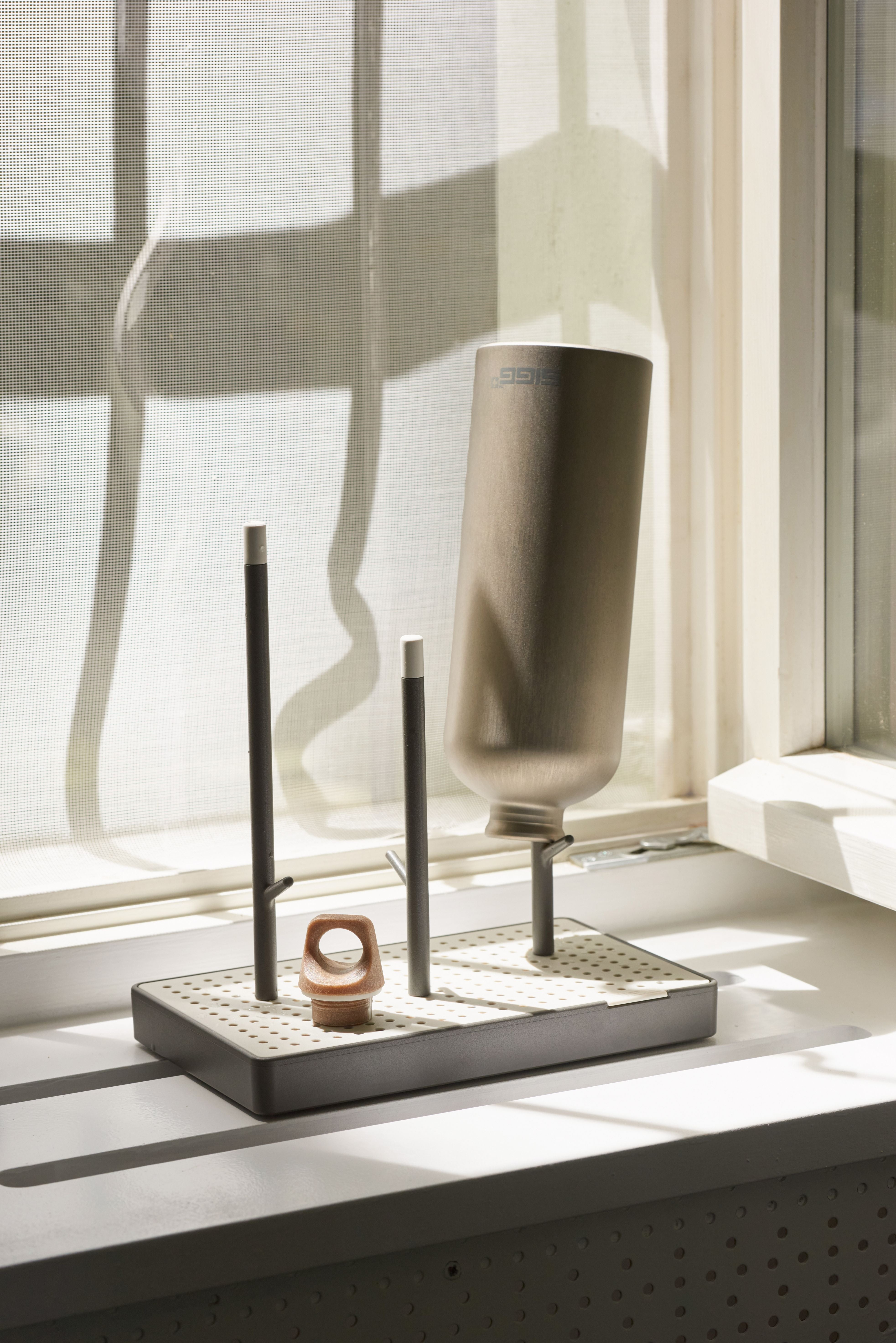
Another important factor is proper storage. A lunchbox should always be stored open so that air can circulate and residual moisture does not accumulate. This prevents unpleasant odors and mold growth.
Final Thoughts on Choosing the Right Lunch Box
Choosing a leak-proof lunchbox is an investment in a stress-free daily routine and in protecting the contents of your backpack. It’s clear that the combination of high-quality materials, a reliable closure mechanism, and an effective seal is crucial.
Stainless steel and Tritan offer the best conditions for durability and hygiene. Silicone seals are essential for long-term leak-proof performance, but they require careful maintenance.
Ultimately, the decision to choose a leak-proof lunchbox should always be based on an assessment of individual needs. Whether for children, office workers, or outdoor enthusiasts—there’s a solution for every need that keeps liquids securely inside the container.
Frequently Asked Questions
Conclusion: Making the Right Choice
The decision to choose a leak-proof lunchbox depends heavily on individual needs and the intended use. If you regularly transport liquid or moist foods, you should pay special attention to high-quality seals and sturdy closure mechanisms. Materials such as stainless steel or BPA-free plastic not only offer durability but are also safe for your health, which is particularly important for daily use.
It’s worth investing in a model that’s not only functional but also easy to clean. Dishwasher-safe lunchboxes make everyday life much easier. In addition, the size of the lunchbox should be tailored to its contents to avoid taking up unnecessary space in a backpack or bag while still providing enough food for the day. A well-chosen lunchbox plays a key role in ensuring meals can be transported comfortably and worry-free.
Ultimately, the ideal leak-proof lunchbox is a combination of reliability, high-quality materials, and practical design. By considering these aspects, you can find a product that stands up to the demands of everyday life and will bring you joy for a long time to come. Investing in a high-quality lunchbox pays off by reducing messes and extending the shelf life of your food.