
Filling the Muesli Box
A well-filled muesli box is more than just a quick breakfast. It’s a thoughtfully prepared meal that provides energy for the morning while also catering to individual tastes. The key to a successful muesli on the go lies in the right combination and separation of ingredients.
A solid base of cereal flakes, a liquid component like yogurt or milk, fresh fruit for vitamins, and crunchy toppings for texture form the foundation. Strategic layering and the use of containers with separate compartments prevent everything from turning into a mushy mess. This keeps the granola fresh, crispy, and appetizing until you’re ready to eat it.
The Basics: Creating a Balanced Base
The base is the heart of every muesli mix and plays a key role in determining its nutritional value and how filling it is. Oat flakes are the classic choice here, available in tender or hearty varieties. Soft flakes swell more quickly and result in a creamier consistency, while chewy flakes retain more bite and require more thorough chewing. But the range of cereal flakes is much broader. Spelt, rye, or multigrain flakes offer flavor variety and a broader nutritional profile.
For a gluten-free alternative, try rice flakes, millet flakes, or even quinoa pops. The latter offer a special lightness and crunch. A homemade granola mix is also an excellent option. To make it, mix rolled oats with nuts, seeds, and a sweetener like maple syrup or honey, then bake in the oven until crispy. The big advantage of making it yourself is having full control over the sugar content, which is very high in many store-bought products.
If you like, you can also add spices such as cinnamon, cardamom, or vanilla to create your own unique flavor. For a particularly nutrient-rich base, ground flaxseeds or chia seeds can be mixed directly into the dry oats. Regardless of your choice, a well-balanced base provides complex carbohydrates that help stabilize blood sugar levels and provide long-lasting energy.
Liquid Components and How to Keep Them Fresh
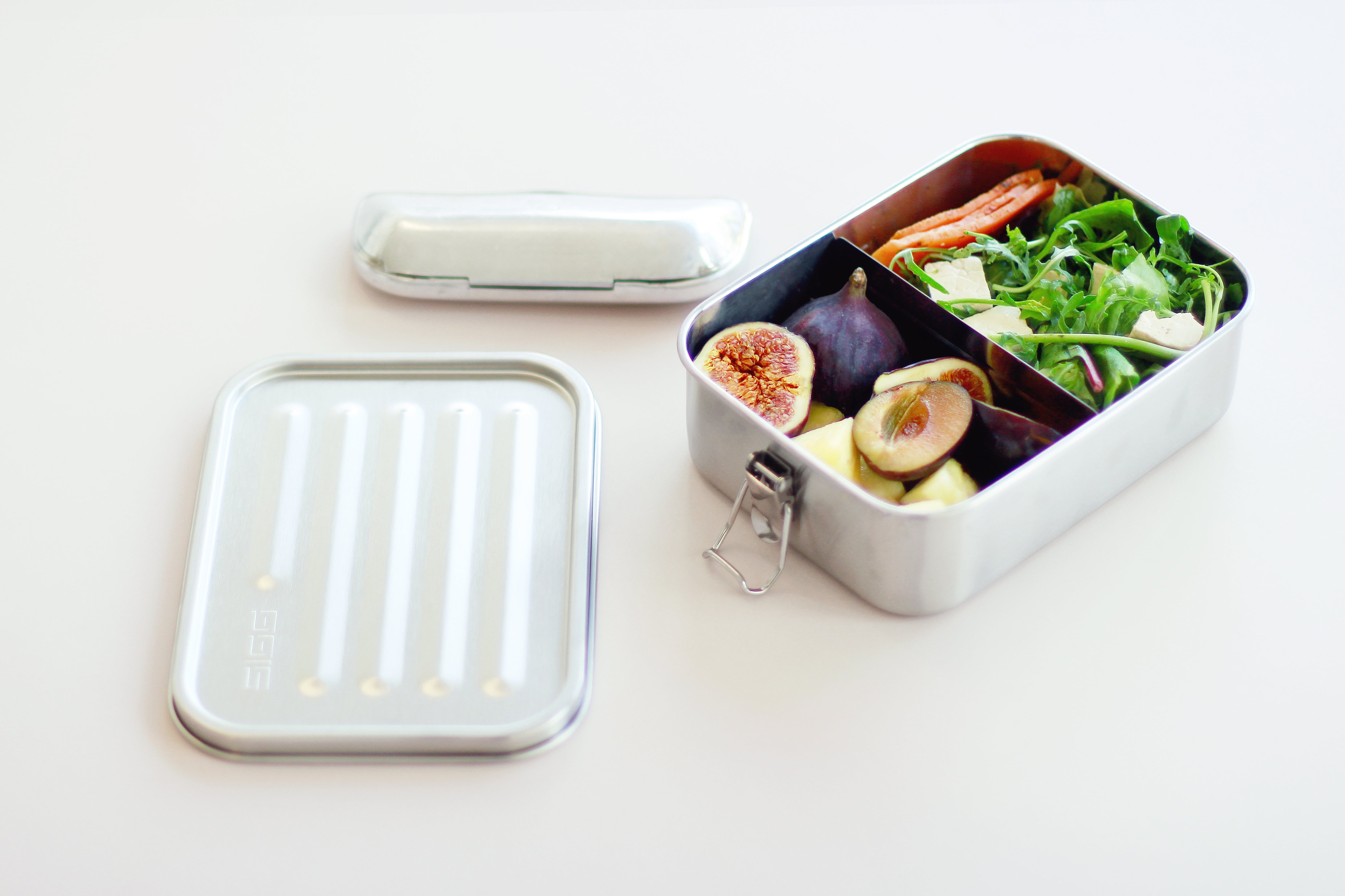
The choice and handling of the liquid components are crucial in determining whether the granola will be a treat or a disappointment. The biggest problem is the dry ingredients becoming soggy too soon. High-quality granola boxes with separate, leak-proof compartments are essential here.
This way, milk, yogurt, or plant-based alternatives can be transported separately from the flakes and toppings and mixed in just before eating. Cow’s milk in various fat contents is the traditional choice. Those who prefer a creamier texture can opt for Greek yogurt, skyr, or quark.
These protein-rich options are particularly filling and keep you satisfied for a long time. Icelandic-style skyr is naturally low in fat and extremely high in protein, making it a favorite for a sports-conscious diet. Plant-based alternatives are very popular and offer an enormous variety of flavors. Oat drinks are naturally slightly sweet and creamy, almond drinks have a delicate nutty aroma, and soy drinks are also a good source of protein.
Coconut drinks add an exotic touch to your muesli. To ensure freshness, the liquid component should be well-chilled before being added to the lunchbox. An insulated lunchbox can also help maintain the temperature until lunchtime. There are tried-and-true methods for keeping granola, fruit, and toppings crispy, with strictly separating the components being the most effective.
Vitamins and Freshness: Preparing and Transporting Fruit Properly
Checklist
- ✓ Gather the necessary materials and supplies.
- ✓ Follow the instructions.
- ✓ Check the result and make any necessary adjustments.
Fresh fruit is the most important source of vitamins, fiber, and natural sweetness in muesli. However, proper selection and preparation are crucial to keeping it appetizing. Berries such as blueberries, raspberries, or currants are ideal. You can use them whole; they’re sturdy and don’t need to be cut, which minimizes oxidation.
Strawberries should be quartered just before filling the box. Apples, pears, and bananas tend to brown quickly once cut. This oxidation process can be slowed by drizzling a few drops of lemon or lime juice on the cut surfaces. The acid inhibits the enzymes responsible for browning. Apples can also be coarsely grated, as is done in classic Bircher muesli, and mixed directly with a little yogurt to reduce contact with oxygen.
Exotic fruits like mango, kiwi, or pineapple add a wonderful balance of sweetness and tartness. It’s best to cut them into bite-sized cubes. Frozen fruit is a very practical alternative, especially mixed berries. If you add them frozen to your muesli box, they’ll thaw slowly by breakfast time, with the added benefit of keeping the other ingredients—especially the yogurt—cool. Dried fruits like dates, figs, apricots, or raisins are a good long-lasting alternative. However, because of their high sugar content, they should be used sparingly. They provide quick energy and intense sweetness.
The Crunch Factor: Nuts, Seeds, and Special Toppings
It’s the crunch that really makes muesli interesting. Nuts and seeds are important not only for texture but also for nutritional value, as they provide healthy fats, plant-based protein, and essential minerals. Almonds, walnuts, hazelnuts, and cashews are popular classics. You can use them whole, chopped, or in slivers.
A quick tip: If you toast the nuts briefly in a pan without oil, their flavor intensifies significantly. You can also make a batch to keep on hand. Seeds such as chia, flaxseed, sunflower seeds, and pumpkin seeds are true powerhouses. Ground flaxseed is more easily digested by the body than whole flaxseed. Chia seeds swell significantly when soaked in liquid and can be stirred directly into yogurt to create a pudding-like consistency. More unusual toppings also add a special crunch. Coconut chips—preferably unsweetened—add an exotic touch. Cocoa nibs, the pure pieces of the cocoa bean, are sugar-free, slightly bitter, and full of antioxidants.
They pair perfectly with bananas or berries. Small pieces of high-quality dark chocolate can also be a delicious addition. Puffed amaranth or quinoa are extremely light and provide an interesting, almost popcorn-like texture. The variety of possible toppings is enormous, and they allow for almost endless customization to suit your own taste. Of course, the amount of toppings also influences the decision on what size I need for my recipes, since they take up extra space.
Creative Granola Recipes Beyond the Standard
With a solid understanding of the individual components, you can put together countless creative muesli combinations that go far beyond a simple mix of flakes and milk. For such complex creations, the perfect containers for your breakfast are essential, as they allow the ingredients to stay separate. One example is the “Bircher Deluxe to Go.” To make it, soak steel-cut oats in double the amount of apple juice the night before and place them in the refrigerator.
In the morning, coarsely grate an apple and mix it into the soaked oats. Place this base layer in the main compartment of the box. Fill a separate compartment with Greek yogurt and a third with a mixture of coarsely chopped walnuts and a pinch of cinnamon. Just before eating, mix everything together. Another idea is the “Tropical Dream.” Here, the base consists of homemade granola with coconut chips.
The liquid component is a mango yogurt made by pureeing fresh mango with plain yogurt. For the topping, fresh pineapple cubes and a few passion fruit seeds go into an extra compartment. The result is a fruity, exotic breakfast experience. For those who prefer richer, more savory notes, the “Chocolate-Nut Power” is a great choice. The base consists of chocolate muesli or rolled oats mixed with a teaspoon of raw cocoa powder. Almond milk is included in a separate compartment. As toppings, banana slices (drizzled with lemon juice), roasted hazelnuts, and a few cocoa nibs are packaged separately. This combination provides energy and nutrients for a demanding day.
Conclusion
Successfully preparing granola for on the go is a matter of the right technique and the right ingredients. The most important lesson is the need to keep the components strictly separate to preserve freshness and crunch.
A balanced base of whole-grain cereals provides long-lasting energy. The liquid component—whether a dairy product or a plant-based alternative—should be high in protein to promote satiety. Fresh or frozen fruit adds vitamins and natural sweetness, while nuts, seeds, and special toppings provide the necessary crunch and healthy fats.
Starting with simple combinations, you can gradually venture into more creative recipes and tailor the mix perfectly to your own taste preferences and nutritional needs. This turns your on-the-go breakfast into a healthy, sustainable, and personalized meal.