



The Food Pyramid and Kids' Lunchboxes
⏱ Reading time: about 15 min.
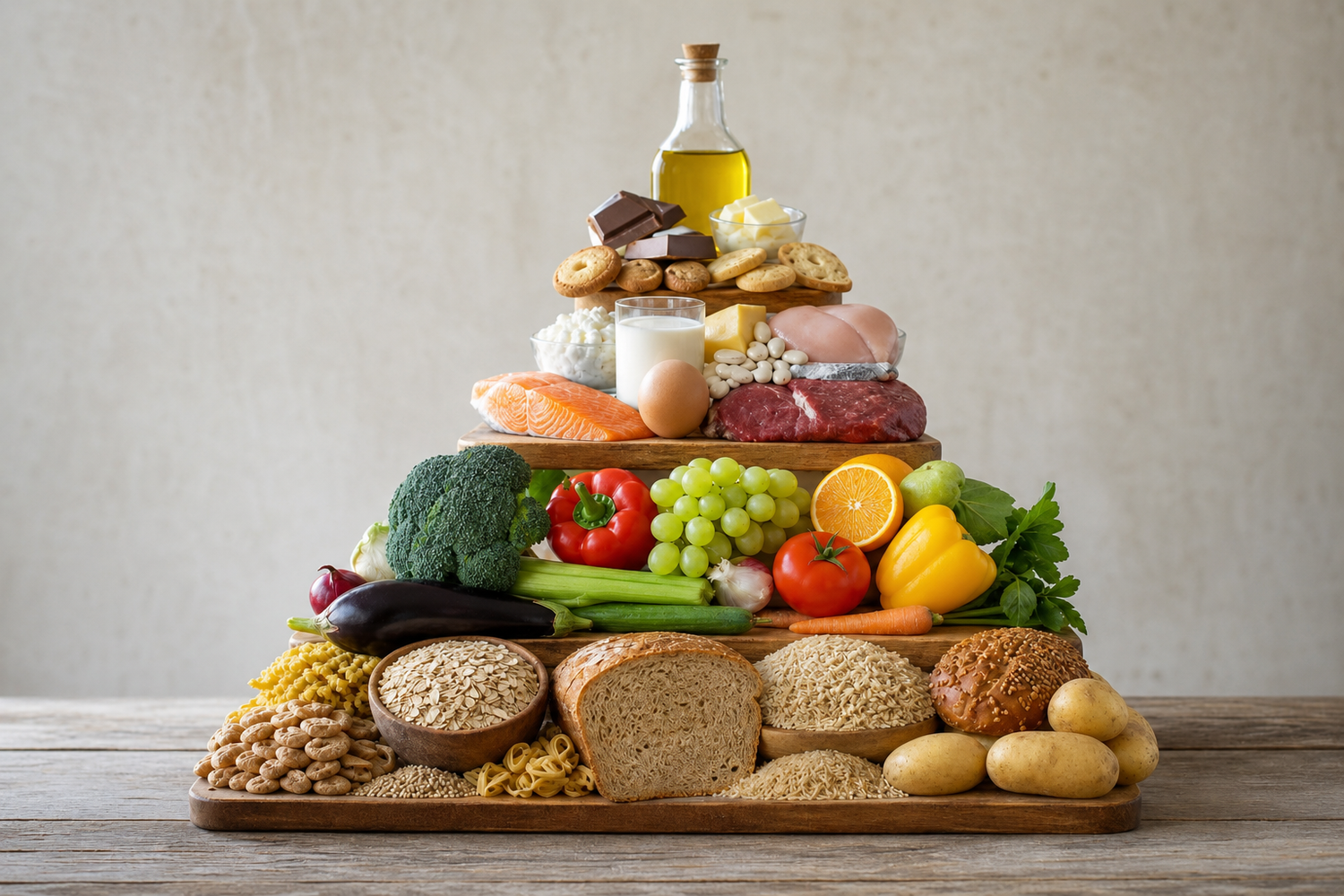
The food pyramid is a visual model that illustrates a balanced selection of foods for healthy development.
Many parents face the daily challenge of putting together a nutritious lunchbox for their children. Often, they lack ideas, or the children reject supposedly healthy options. This leads to frustration and sometimes to unbalanced meals.
Carefully planning snack time promotes concentration at school and provides the energy needed for the playground. With the right building blocks from the Food Pyramid, this is easy to achieve—and delicious, too.
The food pyramid offers clear guidance on which foods—and in what quantities—should go into the lunchbox to provide children with optimal nutrition and support their long-term health.
In a nutshell
- The food pyramid organizes food groups to ensure a balanced diet for children.
- Vegetables and fruits form the base, followed by grain products and proteins.
- Fats and sweets should be consumed in small amounts.
- A varied lunchbox helps children stay focused and energized.
How is the food pyramid structured?
The food pyramid is a visual tool that categorizes foods into different groups and illustrates the recommended amounts for a healthy diet.
The base consists of the foods that should be consumed most frequently, while the top shows the foods that should be eaten sparingly. This helps structure daily food intake and promote healthy habits.
The Base: Beverages, Vegetables, and Fruits
At the very bottom of the food pyramid are beverages, especially water. Children should drink enough fluids every day—ideally six to eight glasses of water or unsweetened tea.
Directly above these are vegetables and fruits, which are rich in vitamins, minerals, and fiber. Five servings per day—three servings of vegetables and two servings of fruit—are recommended to meet micronutrient needs.
An apple, a handful of berries, or vegetable sticks like carrots and cucumbers are excellent choices for the lunchbox. These foods provide important antioxidants that strengthen the immune system and protect against illness.
Middle Section: Grains, Proteins, and Dairy Products
The middle section of the pyramid includes grain products such as bread, pasta, rice, and potatoes. These provide complex carbohydrates, which serve as the main source of energy and ensure long-lasting satiety.
Whole-grain products are the preferred choice here, as they contain more fiber and nutrients. A slice of whole-grain bread with cheese or a small container of whole-grain pasta salad are good options for a snack.
Also in the middle section are protein sources such as meat, fish, eggs, and legumes, as well as dairy products like yogurt and cheese. Proteins are essential for the growth and repair of body cells, while dairy products provide calcium for strong bones. A hard-boiled egg, a piece of cheese, or plain yogurt are ideal additions to the lunchbox.
The Top: Oils, Fats, and Sweets
At the top of the food pyramid are oils and fats, which should be consumed in moderate amounts. Unsaturated fatty acids from olive oil, canola oil, or nuts are important for brain development and the absorption of fat-soluble vitamins.
A small amount of nuts or seeds in the lunchbox can make a valuable contribution here. At the very top are sweets, snacks, and sugary drinks. These foods should only be offered occasionally and in very small amounts, as they contain many calories but few nutrients.
A small piece of dark chocolate or a handful of dried fruit can serve as an occasional treat, but should not be the norm. Reducing sugar intake is crucial for dental health and for avoiding energy crashes.
In short: The food pyramid ranks foods according to their recommended intake, from plenty of water, vegetables, and fruit at the base to sweets—to be consumed sparingly—at the top.
Which foods are particularly well-suited for a child’s lunchbox?
Foods that are nutritious, easy to eat, and visually appealing—to stimulate children’s appetites—are particularly well-suited for a child’s lunchbox.
A balanced lunchbox should include a combination of different food groups to provide all the necessary nutrients. Practical considerations such as portability, shelf life, and presentation also play an important role. Children are more likely to eat foods that look appealing and are easy to handle. A good mix of solid and liquid components ensures variety and adequate hydration.
Fresh vegetables and crisp fruit
Vegetable sticks made from carrots, cucumbers, bell peppers, or cherry tomatoes are ideal for the lunchbox.
These pair well with a small hummus- or quark-based dip, which adds extra protein and flavor. Vegetable sticks stay fresh in the refrigerator for up to three days, making preparation easier.
Seasonal fruits like apples, pears, grapes, or berries are also an excellent choice. An apple can be cut into wedges and drizzled with a little lemon juice to prevent browning. Berries are especially popular and contain plenty of antioxidants.
A small container of mixed fruit salad is a refreshing and vitamin-rich addition. The variety of colors and shapes makes the lunchbox more appealing to children.
Whole-Grain Products as Energy Sources
Whole-grain bread or rolls are a solid foundation for the lunchbox. A sandwich with lean cold cuts, cheese, or plant-based spreads is quick to prepare.
Small whole-grain wraps with vegetables and chicken breast or hummus are also a delicious alternative. These can be prepared the day before and stored in the refrigerator.
Whole-grain pasta salad or couscous salad with plenty of vegetables and a light vinaigrette are also good options. Salads like these offer an excellent way to incorporate a variety of vegetables that children might not otherwise eat.
Protein and Dairy for Growth and Strong Bones
Lean meats, such as chicken breast or fish—in the form of small patties or cold cuts—provide important protein. A hard-boiled egg is a simple and nutritious source of protein that’s easy to pack.
For vegetarian options, legumes such as lentils or chickpeas work well—for example, in a salad or as hummus. These are rich in plant-based protein and fiber.
Dairy products like plain yogurt, quark, or cheese cubes are essential for calcium intake. A small cup of yogurt can be topped with fresh fruit or a pinch of cinnamon. Cheese cubes are a popular snack and pair well with grapes.
A small water bottle filled with milk or a plant-based beverage like oat milk can help maintain hydration and provide additional nutrients. It’s important to choose unsweetened varieties.
Practical Tip
This saves valuable time in the morning.
How can you put together a balanced lunchbox based on the principles of the food pyramid?
A balanced lunchbox based on the principles of the food pyramid is achieved through the careful selection and combination of foods from all levels.
The key is to create variety while keeping the recommended proportions in mind. A good plan includes fresh fruits and vegetables, whole-grain carbohydrates, high-quality proteins, and healthy fats. The presentation of the food plays a major role in motivating children to eat. Small portions and appealing shapes encourage acceptance and reduce food waste.
Creating Variety and Combining Nutrients
Combining different food groups in a single meal maximizes nutrient intake. For example, a sandwich made with whole-grain bread, cheese, lettuce, and cucumber slices provides carbohydrates, proteins, vitamins, and fiber all in one.
A small container of yogurt and berries is the perfect complement. This variety ensures that children get all the macronutrients and micronutrients they need for healthy development.
Planning is key here: A weekly overview helps bring variety to the lunchbox and come up with new ideas time and again. This keeps meals from getting boring and helps children stay curious about new flavors.
Adjust portion sizes and reduce sugar
Portion sizes should be appropriate for the child’s age and energy needs. A preschooler needs different amounts than a school-age child. It’s better to offer several small portions than one large one that might not be finished.
A common mistake is adding too much sugar. Many processed foods, such as fruit yogurts or granola bars, contain hidden sugar. Better options include plain yogurt with fresh fruit or homemade granola bars with little sugar.
Reducing sugar not only protects teeth but also stabilizes blood sugar levels, which helps prevent fluctuations in concentration. Water is always the best choice of beverage to avoid unnecessary sugar.
Important to Know
The Swiss Society for Nutrition (SGE) recommends a daily fluid intake of about 1.5 liters for children, primarily from water.
Practical Tips for Preparation and Storage
Proper storage of the lunchbox is crucial for food safety and taste. An insulated lunchbox with an ice pack keeps perishable foods like dairy products or meat fresh.
This also makes the lunchbox more visually appealing and easier to organize.
Children can be actively involved in preparing their lunchboxes. When they’re allowed to help decide what goes inside, they’re more likely to actually eat it. A trip to the supermarket or the farmers’ market to pick out healthy ingredients together can spark their interest.
A water bottle made of durable material, such as those offered by SIGG, is a long-lasting and toxin-free option for daily use.
Did you know?
Children who regularly receive a balanced lunchbox show greater concentration and better academic performance compared to children who eat unhealthy snacks during recess.
Common Mistakes When Packing a Lunchbox and How to Avoid Them
When packing a lunchbox, mistakes often creep in that reduce the nutritional value or cause children to leave their food untouched.
A common problem is packing too many sugary or highly processed foods, which provide quick energy but don’t offer long-lasting satiety. A lack of variety or insufficient cooling can also make the lunchbox unappealing or cause the food to spoil. Careful planning and taking children’s preferences into account are crucial for avoiding these pitfalls.
Too Much Sugar and Processed Foods
A common mistake is overloading the lunchbox with sugary snacks like chocolate bars, gummy bears, or sweetened drinks. While these provide quick energy, they lead to a rapid drop in blood sugar levels, resulting in fatigue and difficulty concentrating.
Highly processed foods like white bread or processed meats often contain many additives and few nutrients. Fresh, unprocessed foods are a better choice.
Instead, parents should opt for natural sweetness from fruits or homemade snacks with low sugar content. A small piece of fruit or a handful of nuts are healthier alternatives that provide long-lasting energy.
Lack of Variety and Unappealing Presentation
If the lunchbox looks the same every day, children quickly lose interest. A lack of variety is a common reason why food isn’t eaten. The same combination of bread and cheese day after day can get boring over time.
Presentation also plays a major role: Food that looks unappetizing or mushy is more likely to be rejected. Small sandwich cutters, colorful vegetable sticks, or fruit skewers can significantly increase the appeal of the meal.
Parents can also combine different textures and flavors to appeal to children’s senses. A mix of crunchy vegetables, soft bread, and creamy yogurt makes for an interesting eating experience.
Inadequate Cooling and Lack of Fluids
Insufficient cooling is a particular problem in warm weather. Dairy products, meat, or fish can spoil quickly if not kept cool. An insulated lunchbox with a cooling pack is essential here to ensure food safety.
Another common mistake is forgetting a water bottle. Children need to drink regularly to stay hydrated and maintain cognitive performance. A refillable water bottle should always be part of the lunchbox.
It’s important to remind children to drink regularly, as they often forget to quench their thirst while playing or learning. A well-chilled bottle of fresh water is particularly appealing in this regard.
The Role of Hydration for Children at School
Adequate hydration is crucial for children at school, as it has a direct impact on concentration and physical performance.
Dehydration can lead to fatigue, headaches, and impaired cognitive function, which negatively affects learning ability. Children often forget to drink while playing or studying, which is why a well-filled water bottle in their lunchbox is essential. Choosing the right beverages—preferably water—supports children’s health and well-being throughout the school day.
Concentration and Learning Ability
Dehydration, even mild dehydration, significantly impairs children’s ability to concentrate and their memory. Studies show that fluid loss of just 1–2 percent of body weight can impair cognitive function.
Children who drink water regularly are more alert and better able to process and retain information. This is especially important during class, when sustained attention is required.
A well-hydrated body functions more efficiently, which has a positive effect on academic performance. Parents should make sure their child’s water bottle is filled every morning and encourage them to use it.
Physical Performance and Well-Being
In addition to mental performance, adequate hydration also influences physical performance. Children are often very active, whether during recess or in physical education class, and lose a lot of fluid through sweating.
Dehydration can lead to faster fatigue, muscle cramps, and reduced endurance. A balanced fluid balance helps regulate body temperature and lubricate the joints, which can help prevent injuries.
A child’s overall well-being depends heavily on their hydration. Headaches, dizziness, or irritability can be signs of dehydration. A steady intake of water helps prevent these symptoms and keeps children full of energy.
Choosing the Right Water Bottle
A sturdy, non-toxic water bottle is essential for daily use at school. Materials like aluminum or Tritan are durable and easy to clean.
Bottles with a simple closure mechanism make it easier for children to drink and minimize the risk of leaks in their backpacks. A bottle with a capacity of about 0.5 to 0.75 liters is usually sufficient for a school day but can be refilled as needed.
Choosing an appealing color or design can further motivate children to use their water bottle regularly. Many manufacturers offer child-friendly designs that cater to personal tastes. Regularly cleaning the bottle is also important to ensure hygiene.
Which option is right?
Water – The Best Choice
Ideal for hydration; contains no calories or added sugar.
Unsweetened tea – A good alternative
Offers variety, but should be unsweetened to avoid added sugar.
Food Pyramid: A Final Guide
The food pyramid serves as an indispensable guide for putting together healthy lunchboxes that meet children’s needs.
Consistent application of the pyramid’s principles promotes not only physical health but also children’s cognitive development and overall well-being. A well-planned lunchbox is therefore a key building block for a successful day.
Ultimately, the goal is to instill healthy eating habits in children at an early age that will stay with them for life. The food pyramid offers a clear and easy-to-understand structure for this purpose, one that can be flexibly adapted to individual preferences. This way, the lunchbox becomes a daily joy rather than a burden.
Frequently Asked Questions
Conclusion on a Balanced Diet for Children
Putting together a balanced lunchbox for children is a daily challenge, but one that can be easily mastered with an understanding of the food pyramid and a little creativity. The key is to offer a variety of nutrients that optimally support children’s growth and development. It’s always a good idea to take children’s individual preferences into account to ensure that the foods offered are actually eaten.
A well-planned lunchbox significantly contributes to a child’s ability to concentrate at school and to their overall health. Using reusable containers, such as those offered by SIGG, also supports a sustainable lifestyle and helps avoid unnecessary waste.
Ultimately, the food pyramid is a valuable guide that helps parents make the right choices when it comes to their children’s meals. With a combination of fresh foods, plenty of fluids, and a dash of creativity, every lunchbox becomes a little feast that children love and that’s good for them.

![Geruch Brotdose [KI]](http://sigg.com/cdn/shop/articles/Geruch_Brotdose_6c860306-cedf-4ba7-9ab3-508b6df2b8b8.jpg?v=1788858737&width=1248)
