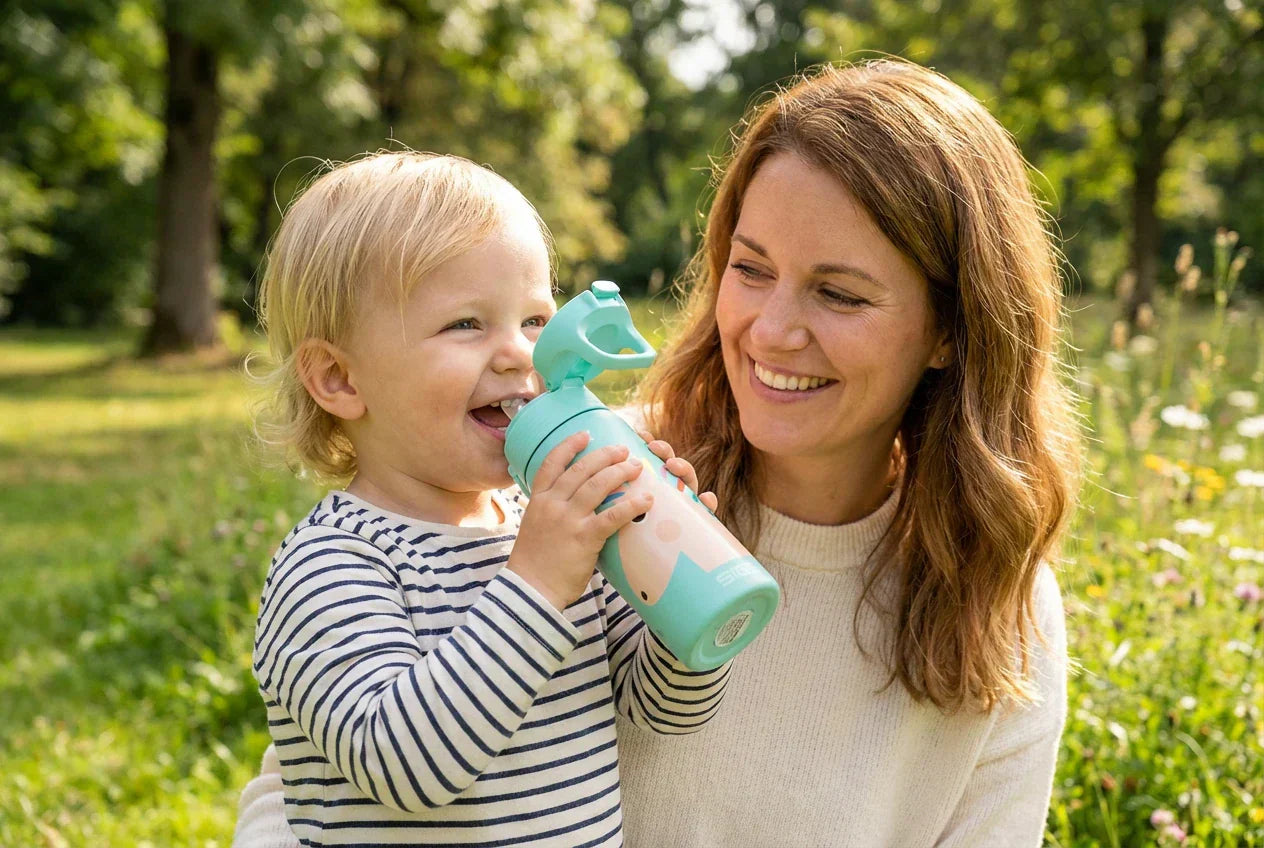
How can you encourage a child to drink?
Kids rarely drink “just because.” Not because they don’t want to, but because drinking isn’t a priority for them. Playing, exploring, and moving around are more exciting than a glass of water. That’s exactly why motivation only works well when it’s relatable, positive, and pressure-free.
A combination of structure, role modeling, and appeal has proven effective (cool water bottles work wonders). The goal isn’t for your child to drink more today—but for them to develop healthy drinking habits in the long run.
What can I do if my child doesn’t want to drink?
If your child consistently refuses to drink, it helps to take a step back and reassess the situation.
Important to know
Children have a weaker sense of thirst than adults and often don’t signal dehydration until it’s too late. Prompts like “Drink now!” therefore often lead to resistance rather than cooperation. Coercion may work in the short term, but it harms natural drinking habits in the long run.
Click here: Popular water bottles for kids from SIGG
What helps instead
Fixed routines help make drinking a part of daily life—for example, after waking up, after playing, or before going outside.
At the same time, drinking should be visible: the water bottle belongs at eye level and within easy reach, not at the bottom of the backpack. It’s also important to allow for independence.
Your child decides when to drink, not whether. Drinking works best when it’s a natural part of the daily routine and isn’t seen as a special event.
What should you do if your child doesn’t want to drink water?
This is one of the most common questions—and completely normal. Water has a neutral taste; children prefer something with flavor. The solution isn’t juice, but rather a clever approach to getting them used to it.
Gentle Ways to Encourage Water Acceptance
You can gently enhance water by flavoring it with fruits like berries, orange, or lemon. Cucumber or mint add a fresh taste, and unsweetened herbal or fruit tea—served chilled—provides extra variety. This way, water remains water but gains a little appeal. It’s important not to add sugar so your child retains the neutral taste of water.
How do I get my child to drink enough fluids?
Fluids don’t have to come only from a glass. Especially with children who are reluctant to drink, it’s important to think outside the box.
Water-rich foods
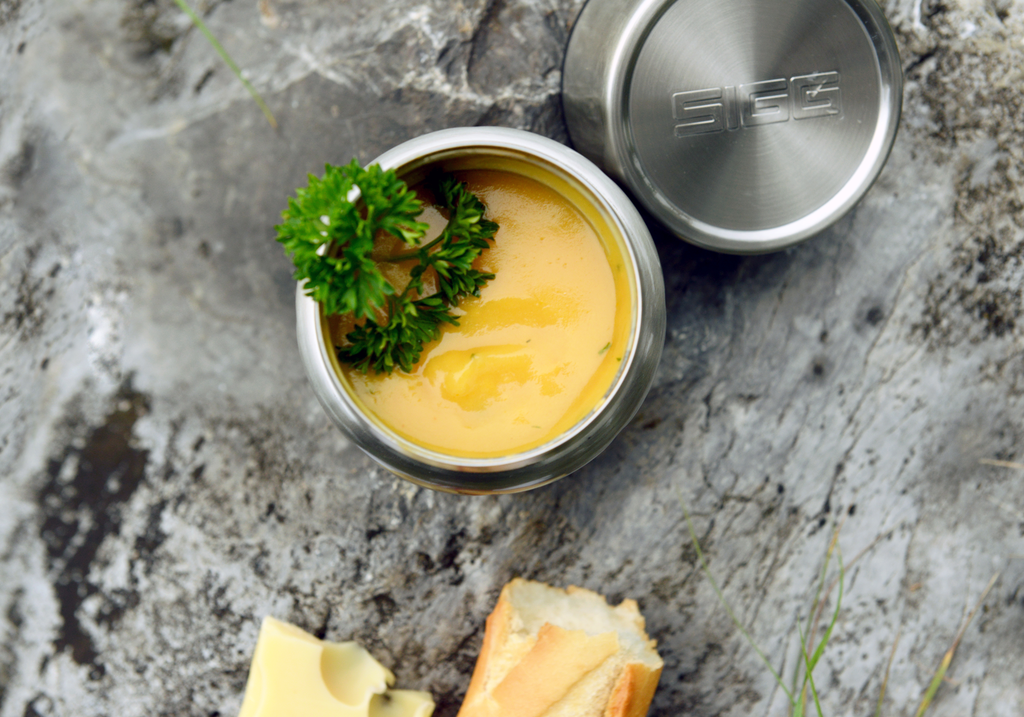
Watermelon, oranges, and berries provide plenty of fluids and are easy to incorporate into daily life. Cucumbers and tomatoes are ideal as snacks between meals. Soups and broth also count toward daily fluid intake. Yogurt, quark, and porridge (preferably in a convenient to-go cup) also help support your child’s fluid balance.
These count toward fluid intake and take some of the pressure off drinking. Nevertheless, water remains the most important beverage.
The water bottle as the key to success
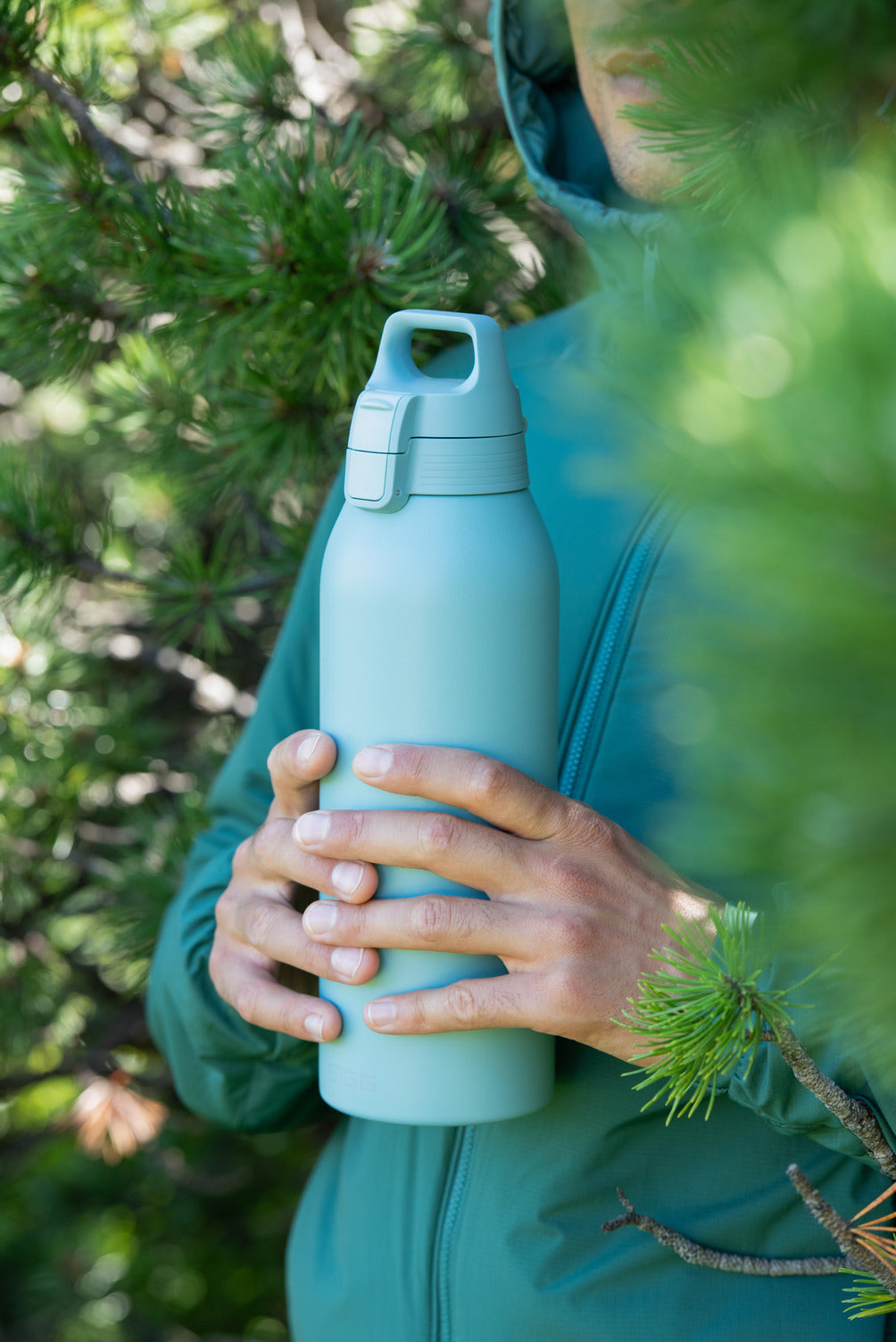
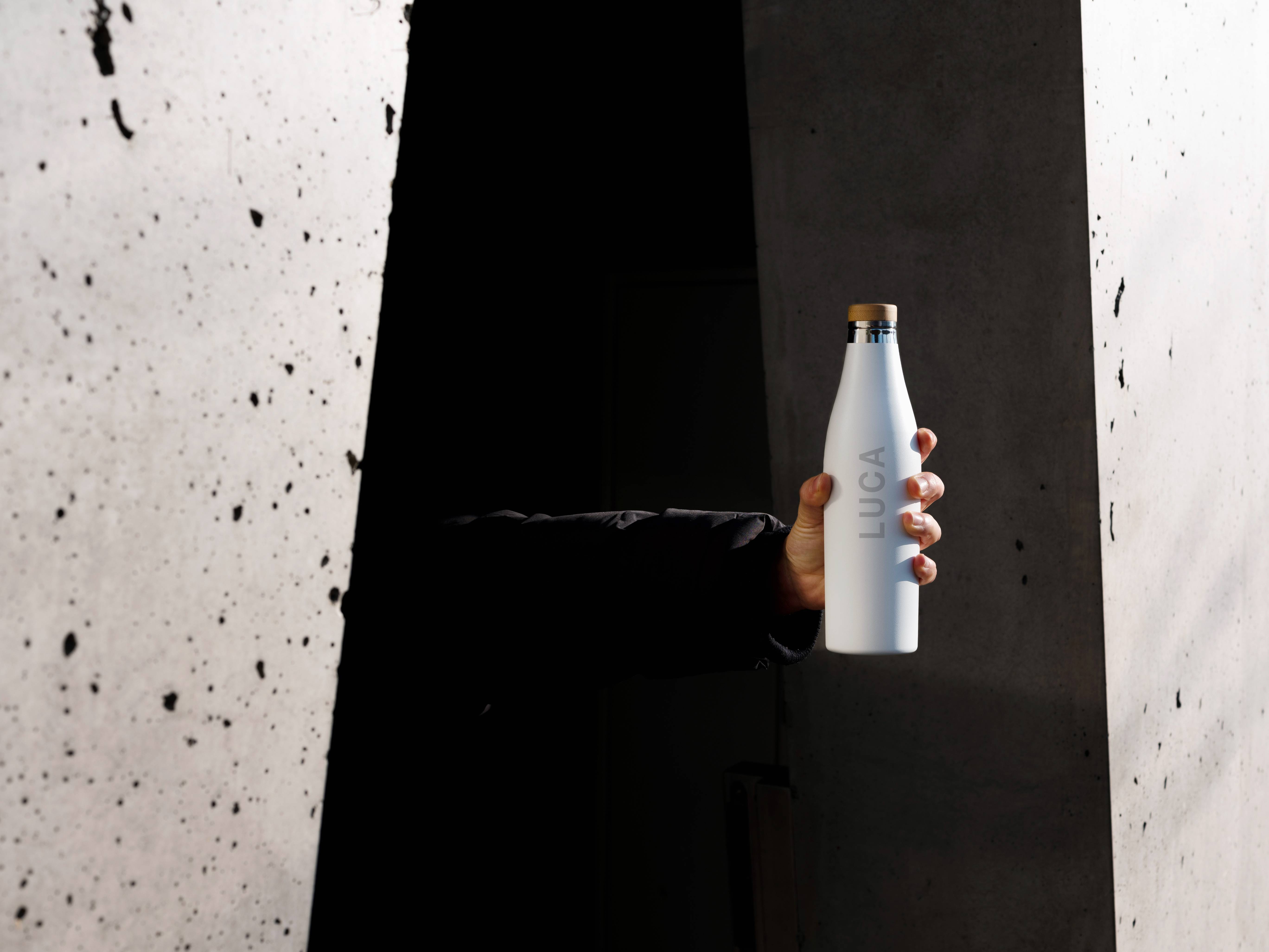
Children drink significantly more when they enjoy reaching for their bottle. Design, color, and feel play a major role here. A water bottle in their favorite color, with an animal motif, or featuring a superhero can work wonders.
Many parents also prioritize quality, durability, and the absence of harmful substances. Water bottles from brands like SIGG are popular for everyday use because they’re sturdy, leak-proof, and easy for kids to use—a feature that, incidentally, makes drinking easier.
Tip: Let your child choose the bottle themselves. Giving them a say in the decision greatly increases usage.
Encouraging drinking through play—but the right way
Games motivate, as long as they don’t feel controlling.
Good ideas:
Checking the water level in the bottle together provides guidance and makes progress visible. Small goals like “A few sips by snack time” offer gentle encouragement without pressure. Stickers or symbols for empty bottles make drinking fun and boost motivation in a positive, relaxed way.
Important: No rewards with sugary drinks and no comparisons with other children.
How much should a child drink?
The amount of fluid depends on age, activity level, and temperature. This table serves as a guide:
|
Child’s age |
Recommended daily fluid intake* |
|---|---|
|
1–3 years |
approx. 600–800 ml |
|
4–6 years |
approx. 800–1,000 ml |
|
7–9 years |
approx. 1,000–1,200 ml |
|
10 years and older |
approx. 1,300–1,500 ml |
*Includes water, unsweetened tea, and fluids from food
Practical tip: Urine color is often more indicative than exact milliliter measurements.
Common mistakes that make drinking difficult
Constant reminders create resistance and take the ease out of drinking. When drinking is presented as a duty, it loses its positive character. Using sugary drinks as motivation shifts expectations and makes it harder to get children to drink water. Pressure or control stifles the child’s intrinsic motivation. All of this leads to drinking being viewed negatively, preventing the development of a healthy drinking routine.
Short & clear: The most important points at a glance
Children forget to drink. That’s normal. They aren’t as developed as adults yet. Structure helps more than constant reminders.
Set drinking times provide guidance and security. Water can be exciting. Natural flavors offer variety without sugar.
A cool water bottle motivates. It invites them to reach for it and becomes part of their daily routine. Drinking is a skill that can be learned. It comes from routine, role models, and repetition—not from coercion.
Our Conclusion
Remember that small changes can often make a big difference. It’s important to be patient. You should try different approaches and celebrate every small success. With a little creativity and consistency, drinking water will soon become second nature. An important foundation for a healthy lifestyle.
Frequently Asked Questions
Why is it so hard to get kids to drink?
Sometimes children are simply having too much fun playing and forget to drink. Their sense of thirst may not yet be as strong as it is for us adults. Additionally, sweet drinks are often more tempting than plain water.
How can we make water more appealing?
We can get colorful water bottles with cool designs or use fun straws. Adding a few slices of lemon, cucumber, or strawberries can also give the water a fresh taste without adding sugar.
Should we occasionally give our children juice or tea?
Yes, that’s a good idea, as long as it doesn’t contain too much sugar. Unsweetened teas or heavily diluted fruit juice spritzers are good alternatives to plain water. This adds variety to the mix.
How important is it for us to be role models?
Very important! Children learn a lot by watching us. If we drink water regularly and visibly, our children are much more likely to do the same. We can even mention how delicious the water tastes right now!
Can we make drinking fun?
Absolutely! For example, you could play little drinking games or introduce a reward system where everyone collects a sticker when they reach their drinking goal. That’s fun and provides extra motivation.
What if my child just isn’t thirsty?
That can happen. We can try to incorporate set drinking times into the daily routine, for example before every meal or after playing. Sometimes it also helps to simply always have a water bottle within reach so that drinking happens naturally.