
Meal Prep: Planning and Preparing Meals in Advance
Many people find their daily lives hectic, often leaving little time for a balanced diet. Ready-made meals or quick snacks are then the common—but rarely healthy—choice. A structured approach could help remedy this situation.
Planning meals in advance offers an effective strategy for addressing this dilemma. The key is to make conscious dietary choices before hunger or time constraints take over.
This article highlights the key aspects of meal prep, explains the various methods, and shows how this practice can be successfully integrated into your daily routine. The benefits extend far beyond simply saving time.
Meal prep refers to the systematic preparation of meals or their components in advance for a specific period of time to facilitate healthy eating and save time in daily life.
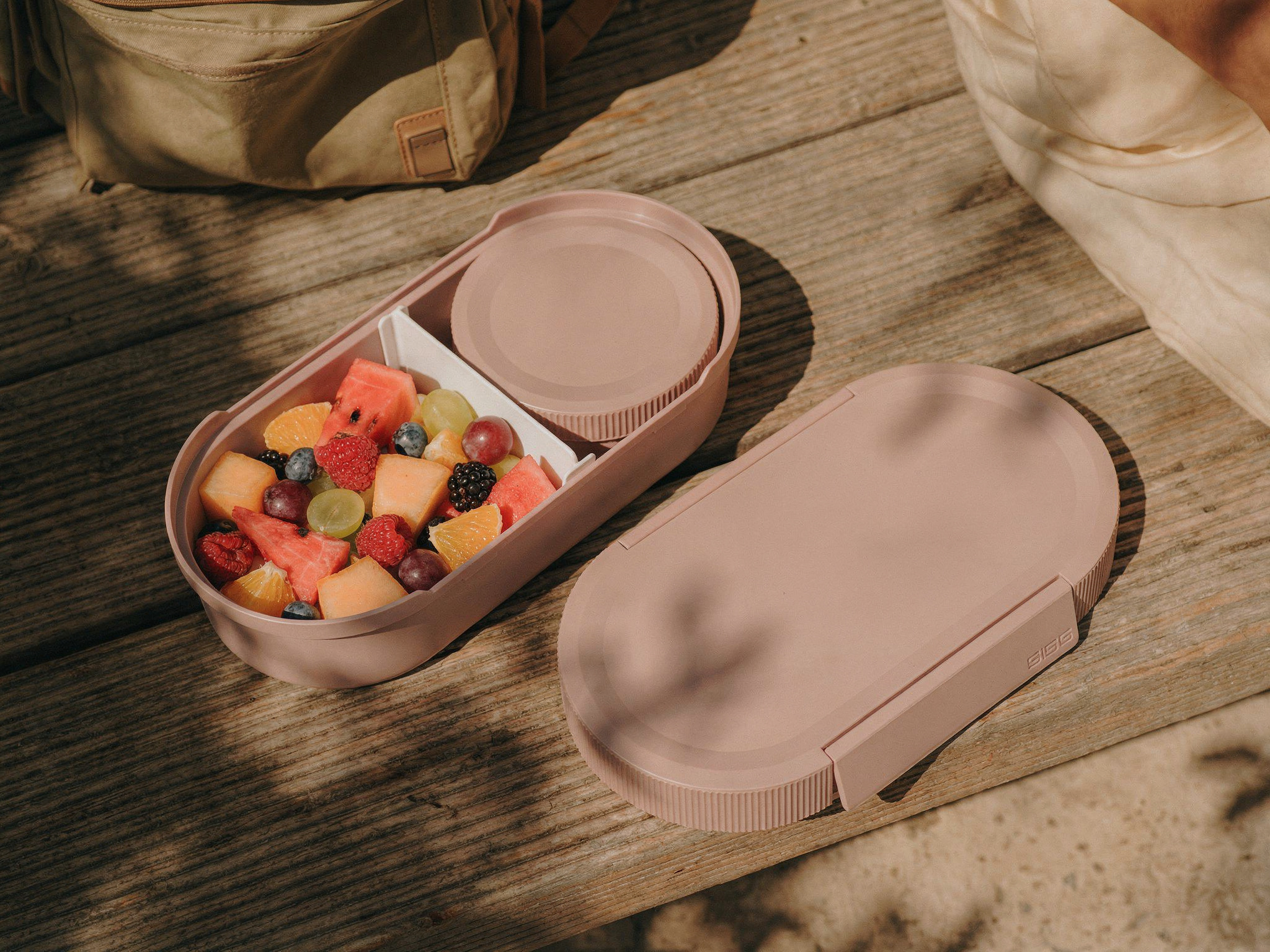
Don’t miss: The Right Lunchbox for Meal Prep
What’s Behind the Concept of Meal Prep?
Meal prep is the practice of preparing meals or their individual components for the coming days or the entire week. This method aims to reduce the daily effort required for cooking and ensure a consistent, healthy diet.
The systematic planning and preparation of meals makes it possible to pursue nutritional goals more effectively. It minimizes the likelihood of resorting to unhealthy alternatives when time is tight.
A typical scenario: On Sundays, larger quantities of rice, vegetables, and protein are cooked. These components can then be combined into various dishes throughout the week. This saves time and reduces the stress of having to cook fresh meals every day.
The origins of meal prep lie partly in the world of bodybuilding and fitness, where it is used to precisely control macronutrients and calories. However, the practice has since become established among broader segments of the population who value efficiency and healthy eating.
The Basic Idea Behind Planning Ahead
The core idea of meal prep is to consolidate the effort involved. Instead of spending an hour in the kitchen every evening, you invest a single, larger block of time. This significantly reduces the workload in your daily routine.
Foods and recipes are chosen deliberately, often with an eye toward shelf life and versatility. For example, cooked quinoa or lentils can be used as a base for salads, bowls, or side dishes.
Benefits for Health and Time Management
A key benefit is improved nutrient intake. By planning ahead, meals can be made more balanced, with plenty of vegetables, whole grains, and protein. Spontaneous decisions often result in less nutritious choices.
Meal prep can also be beneficial financially. Buying in bulk and avoiding restaurant visits or delivery services significantly reduces expenses. A study by the Technical University of Munich showed that households that plan their meals spend an average of 15–20% less on groceries.
What are the different approaches to meal prep?
There are various methods of meal prep that can be adapted to individual needs and lifestyles. Choosing the right strategy depends heavily on the time available, cooking skills, and personal preferences.
Some prefer to prepare complete, ready-to-eat meals, while others simply prepare individual components that can then be quickly combined. A hybrid approach is often the most practical and offers maximum flexibility.
Batch Cooking: Cooking in Large Quantities
With batch cooking, large quantities of a dish or individual components are prepared. This could be, for example, a large pot of chili, a lasagna, or a large portion of rice. These quantities are then enough for several meals.
This method is particularly suitable for people who have little time during the week. The cooked dishes are portioned out and stored in the refrigerator or freezer. This way, they’re immediately available when needed.
Practical Tip
When batch cooking, always ensure adequate refrigeration. Glass containers with airtight lids extend shelf life and prevent flavors from mixing.
Preparing Ingredients: Building Blocks for Flexible Meals
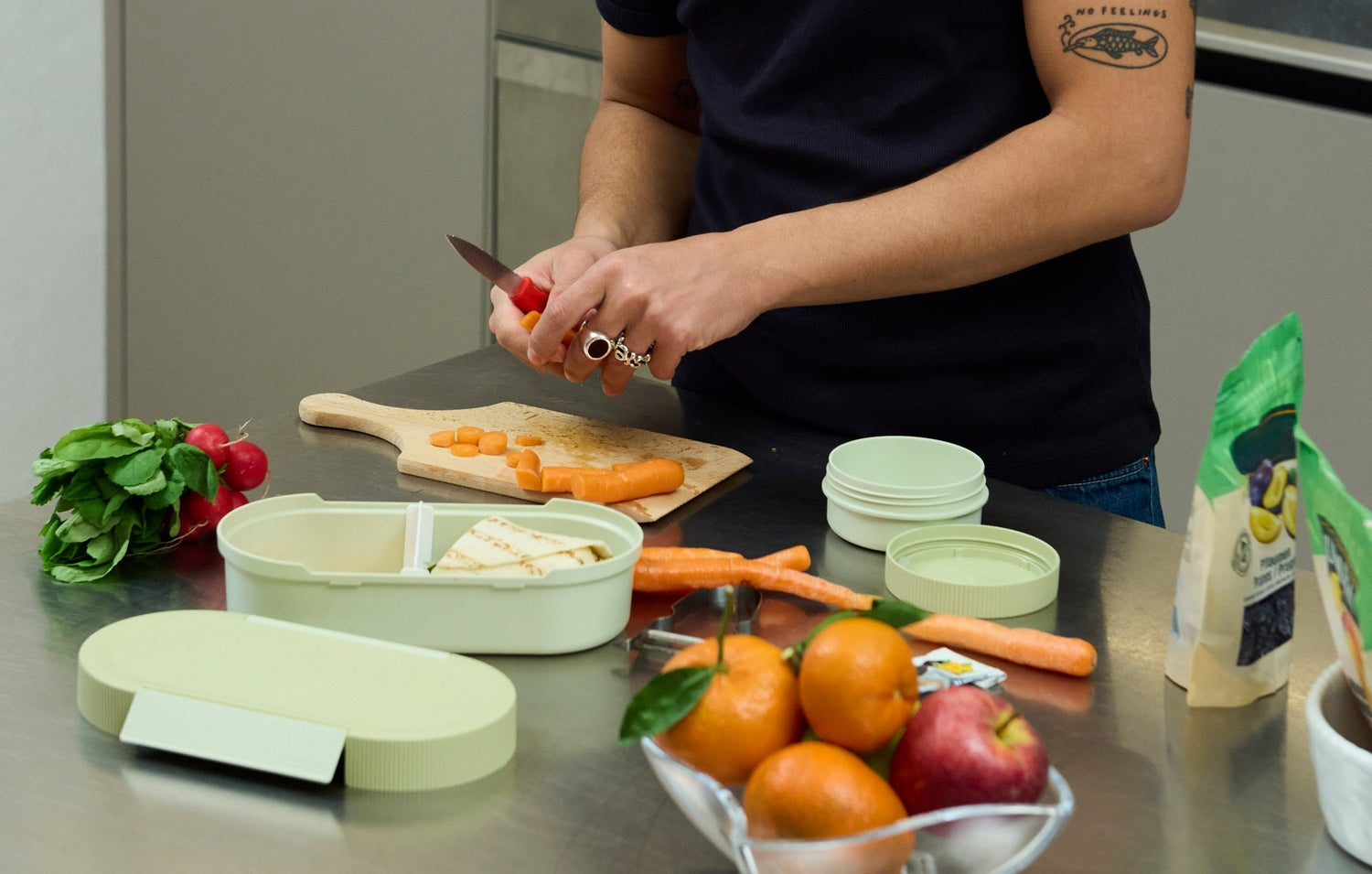
A more flexible approach is ingredient prep. This involves chopping individual ingredients like vegetables, cooking grains, or pan-frying proteins such as chicken breast. These “building blocks” can then be recombined each day.
For example, cooked rice can be paired with different vegetables and sauces. This prevents monotony and allows for greater variety in your diet. This method requires a bit more daily effort but offers more variety.
Ready-to-Eat Meals: Prepared Meals for Immediate Consumption
The ready-to-eat meals method involves the complete preparation and portioning of entire meals. Each box contains a ready-to-eat meal that just needs to be reheated.
This is the most time-saving option during the week, but it requires the most effort on prep day. For people with very little time or a tight schedule, this is often the preferred option.
In short: The choice of meal prep method depends on individual preferences and the desired level of flexibility, ranging from completely ready-to-eat meals to prepared individual components.
How can you effectively plan and implement meal prep?
Successful meal prep requires thoughtful planning and efficient execution. Without structure, the process can quickly feel overwhelming and ultimately fail.
It starts with selecting suitable recipes, followed by strategic grocery shopping. The actual preparation should then be done systematically to save time and energy.
Recipe Selection and Weekly Plan
First, it’s a good idea to create a weekly plan. This involves deciding on the meals for each day, ideally taking into account nutritional goals and personal preferences. Good planning also considers the shelf life of the ingredients.
Recipes that are easy to prepare in advance are often those that can be cooked in larger quantities and whose components store well. Stews, curries, roasted vegetables, or salads with a separate dressing are good examples.
Planning Meals
Decide which meals to prepare for the week.
Make a shopping list
Write down all the ingredients you need based on the weekly plan.
Preparation
Cook and prepare the meals or their components as needed.
Portioning and Storage
Storing prepared food in appropriate containers.
Efficient Shopping and Storage
A well-organized shopping list based on the weekly schedule is essential. This prevents unnecessary purchases and ensures that all necessary ingredients are on hand. Shopping should be done in a single trip whenever possible to save time.
Storage plays a key role in the shelf life and safety of prepared meals. Airtight containers made of glass or BPA-free plastic are ideal for this purpose. The cold chain should not be interrupted to preserve freshness.
Benefits
- Time savings in everyday life
- Cost savings through fewer impulse purchases
- Control over nutritional values and ingredients
- Reduction in food waste
Disadvantages
- Time-consuming on the day of preparation
- Limited spontaneity in meal choices
- Potential loss of flavor in some dishes
- Requires discipline and planning
What equipment is necessary for successful meal prep?
Having the right equipment is crucial for efficient meal prep. It’s not about filling your kitchen with unnecessary gadgets, but rather about acquiring tools that simplify the process and optimize storage.
Basic equipment is often enough to get started. Over time, you can then add specific tools that meet your individual needs.
Containers and Storage Systems
Airtight containers are the be-all and end-all of meal prep. Glass containers are often the top choice here, as they’re flavor-neutral, easy to clean, and both microwave- and oven-safe. They’re also a sustainable alternative to plastic.
Plastic containers, ideally BPA-free, are lighter and more shatter-resistant, making them more practical for transport. It’s important that the containers are stackable to save space in the refrigerator or freezer.
Useful Kitchen Tools
Some kitchen appliances can significantly speed up the preparation process. A large cutting board and sharp knives are essential for efficiently chopping vegetables. A food processor or stand mixer also saves a lot of time when preparing larger quantities.
A rice cooker or slow cooker can handle other tasks simultaneously while rice or stews are cooking. A vacuum sealer extends the shelf life of food in the freezer, which is especially useful for larger quantities.
Fact
Meal prep is a flexible method for anyone who wants to save time and eat healthier, regardless of their fitness goals.
Which foods are particularly well-suited for meal prep?
Not all foods are equally suitable for meal prep. Choosing the right ingredients is crucial for the success and palatability of the prepared meals.
The key is to choose ingredients that retain their texture and flavor even after a few days of storage. Some foods quickly lose quality or become unappealing.
Proteins with Good Shelf Life
Protein sources such as chicken breast, beef, tofu, or hard-boiled eggs are excellent choices. They can be easily pan-fried, baked, or boiled and retain their texture for several days in the refrigerator.
Legumes such as lentils, chickpeas, or beans are also ideal sources of protein. They’re versatile and very filling. Once cooked, they also store well.
Starchy Side Dishes and Vegetables
Rice, quinoa, whole-grain pasta, or sweet potatoes are reliable sources of carbohydrates. They can be pre-cooked in large quantities and form the basis of many dishes. Potatoes, however, can quickly become dry after cooking.
When it comes to vegetables, varieties such as broccoli, carrots, bell peppers, zucchini, or kale are recommended. They remain crisp even after cooking and don’t lose their color too quickly. Leafy greens should be dressed with dressing just before eating to prevent them from wilting.
What common mistakes should be avoided when meal prepping?
Although meal prep offers many benefits, certain mistakes can undermine the method’s success or even lead to disappointment. It’s therefore advisable to be mindful of potential pitfalls.
From improper storage to a lack of variety—some aspects require special attention to ensure you continue to enjoy meal prep in the long term.
Mistakes in Storage and Hygiene
A common mistake is insufficient refrigeration or the use of unsuitable containers. Meals that aren’t cooled quickly enough or sealed airtight can spoil. This poses a health risk and leads to food waste.
Adhering to hygiene standards is essential. Clean hands, utensils, and work surfaces prevent the spread of germs. The German Federal Institute for Risk Assessment (BfR) recommends cooling cooked food to below 7 °C within a few minutes.
Conclusion on Increasing Efficiency Through Meal Prep
Meal prep is an extremely effective method for structuring daily life and promoting healthy eating. The initial investment of time and planning quickly pays for itself through the time saved during the week and the improved control over one’s own eating habits.
The various approaches—from batch cooking to preparing individual components—offer enough flexibility to adapt the method to nearly any lifestyle. However, it’s crucial to start with realistic expectations and optimize your planning step by step.
Those who avoid potential pitfalls—such as poor hygiene or a lack of variety—will reap the many long-term benefits of meal prep. It’s a valuable tool for living a more mindful and healthier life.