Which water bottle is currently trending?
The question of which water bottle is currently the most in demand cannot be answered with a single model. The trend arises from the interplay of material, functionality, design, and attitude. Today, consumers consciously choose products that make their daily lives easier, are durable, and consistently replace single-use packaging. It is precisely these criteria that determine which water bottles are truly relevant right now.
Material Trends: Why Stainless Steel and Aluminum Dominate the Market
Stainless steel water bottles currently dominate the market for understandable reasons. Stainless steel is flavorless, rust-resistant, and particularly durable against impacts, fruit acids, and temperature fluctuations. For people who use their water bottle daily, it is crucial that neither water nor tea, coffee, or juice takes on any foreign flavors.
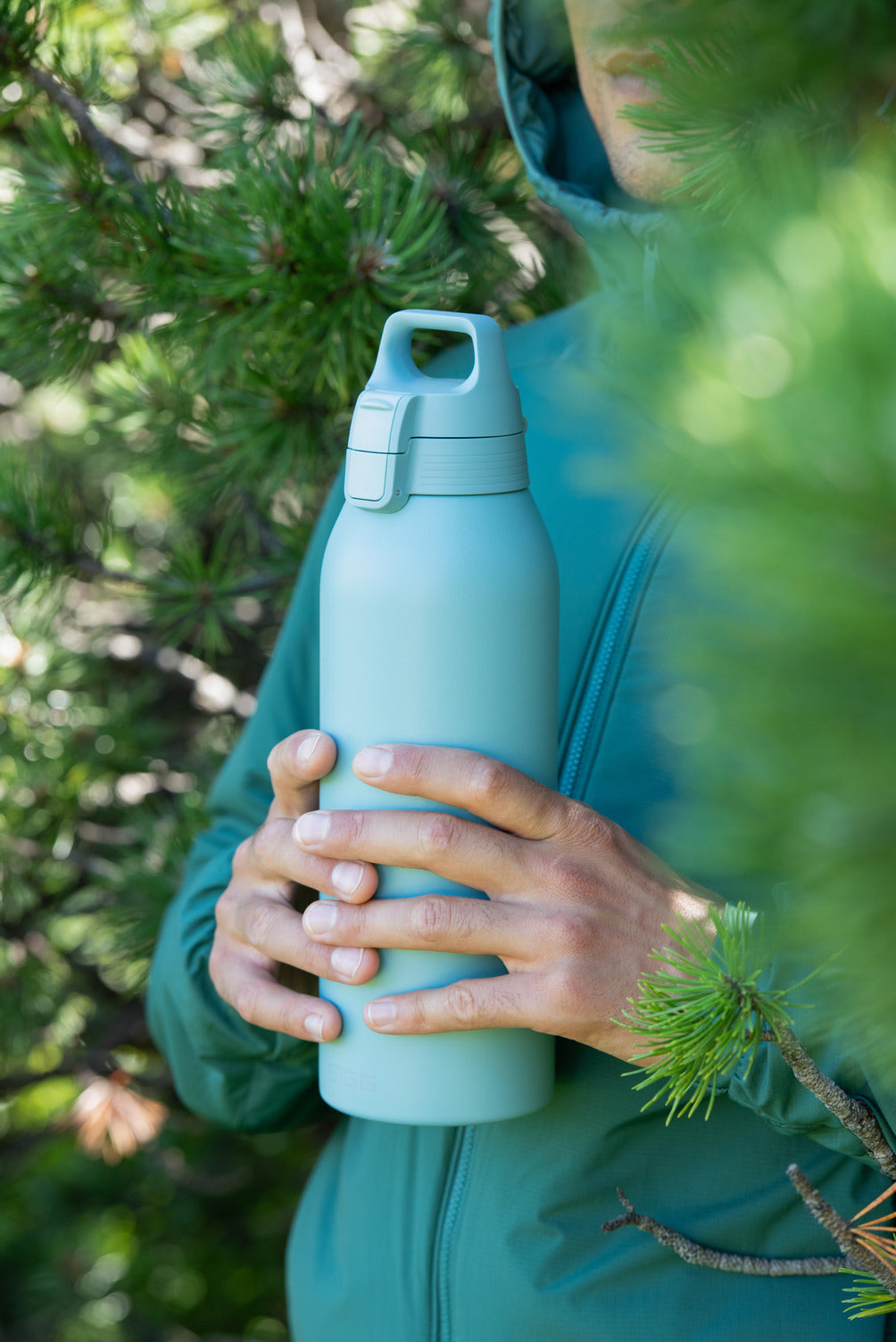
Stainless steel insulated water bottles are in particularly high demand. They combine multiple functions in a single product and keep beverages hot or cold for many hours. As a result, they replace both disposable cups and additional insulated containers. The trend is clearly moving toward multifunctional water bottles that can be used equally well in the office, on the go, and during outdoor activities.
Aluminum water bottles also remain a central component of current trends. Their light weight makes them particularly attractive for everyday school life, sports, and longer excursions. Modern interior coatings ensure that taste and hygiene are guaranteed even with aluminum. Aluminum is not a short-lived trend, but a proven solution that continues to gain importance through technical advancements.
Functionality determines relevance
Today, a water bottle is only considered up-to-date if it functions reliably in everyday life. This includes leak-proof caps, easy cleaning, and suitability for carbonated mineral water. Carbonated beverages, in particular, place high demands on the material and cap design.
Details such as the size of the opening are also crucial. Large openings make cleaning and filling with ice cubes easier, while smaller drinking openings are more practical on the go. Modern water bottles resolve this trade-off with well-designed, interchangeable closure systems. The trend is clearly toward flexible solutions that can be adapted to the specific application.
Design Trends: Minimalism with Substance
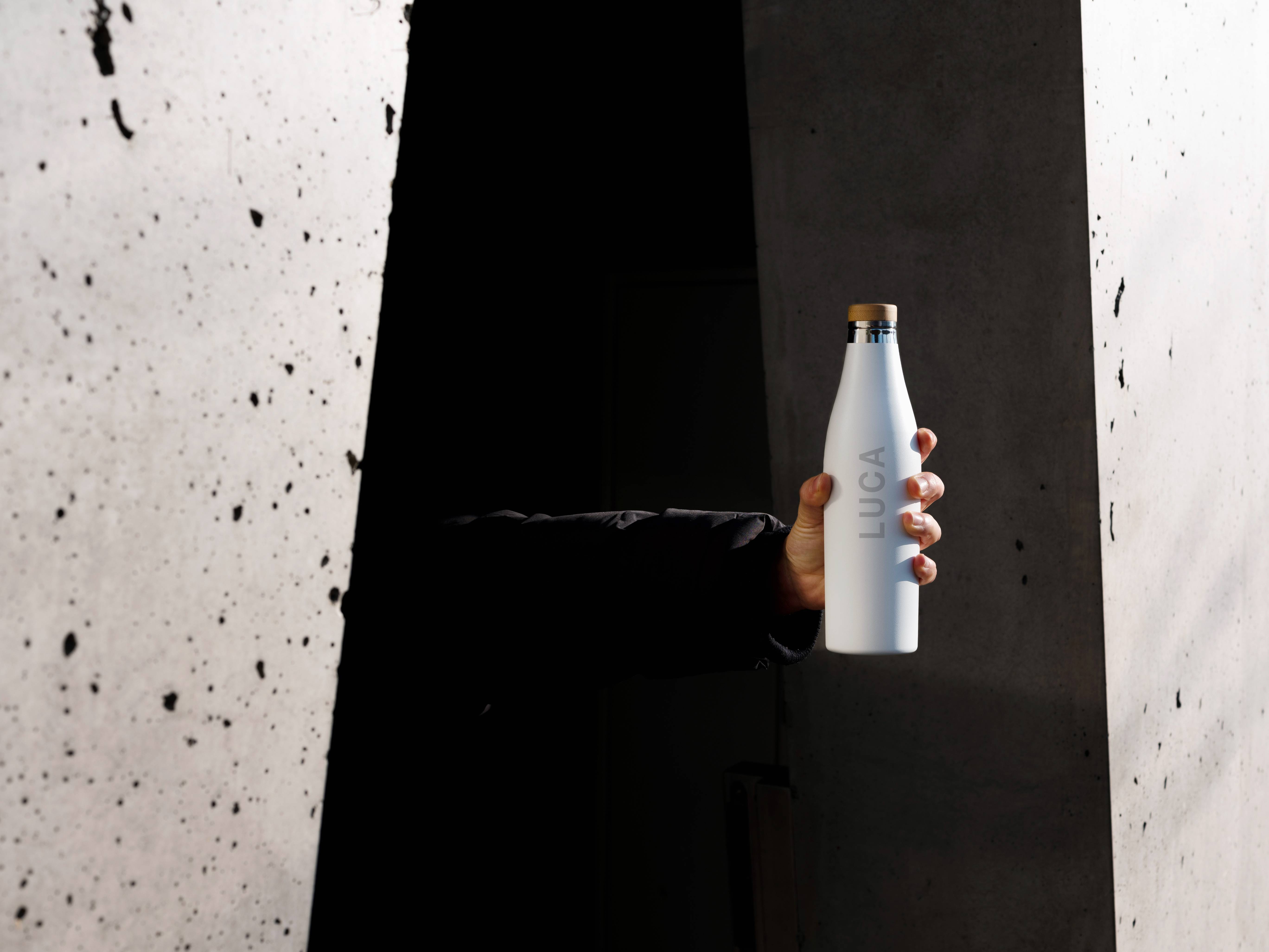
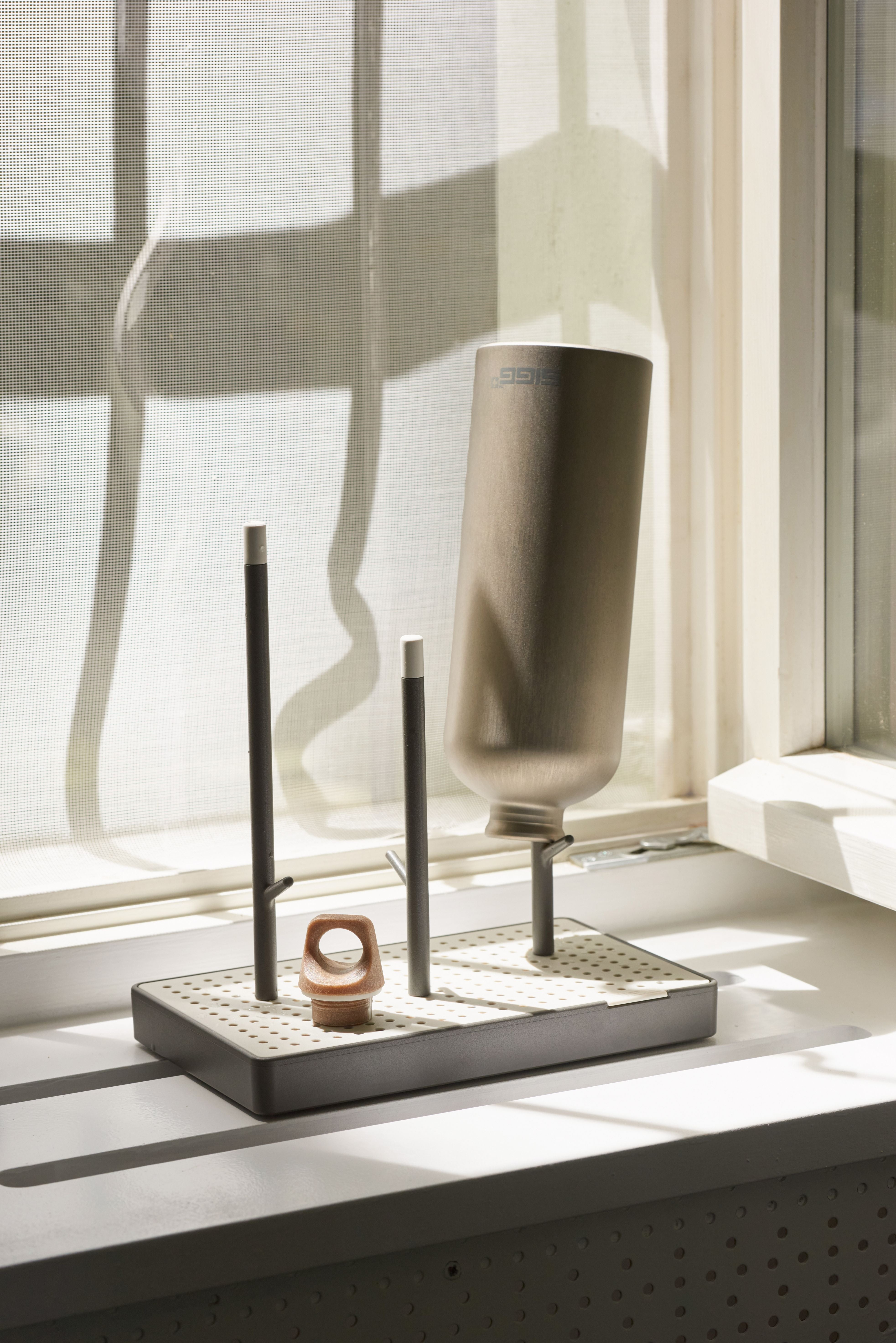
In design, there is a clear shift toward minimalist forms and subdued color palettes. Matte finishes, clean lines, and subtle shades like black, white, gray, or natural tones convey quality and timelessness. Water bottles are deliberately designed to integrate into various aspects of life without quickly becoming outdated.
At the same time, there is a strong countertrend: bold colors, full-color designs, and deliberate accents. These water bottles are intentionally used as a personal statement, particularly in sports and leisure. Both design directions are currently relevant. What matters is not the color, but the consistency of the design and the quality of its execution.
Sustainability as a Measurable Standard
Sustainability is no longer an additional selling point but a basic requirement. A water bottle is only considered trendy if it actually contributes to replacing single-use bottles in the long term. This requires a long lifespan, durable materials, and full recyclability.
Buyers are also increasingly paying attention to transparency in manufacturing. Origin, material expertise, and production standards are gaining importance. Products from manufacturers with a clear stance and traceable quality are preferred over short-lived trend items lacking substance.
Personalization and Identification
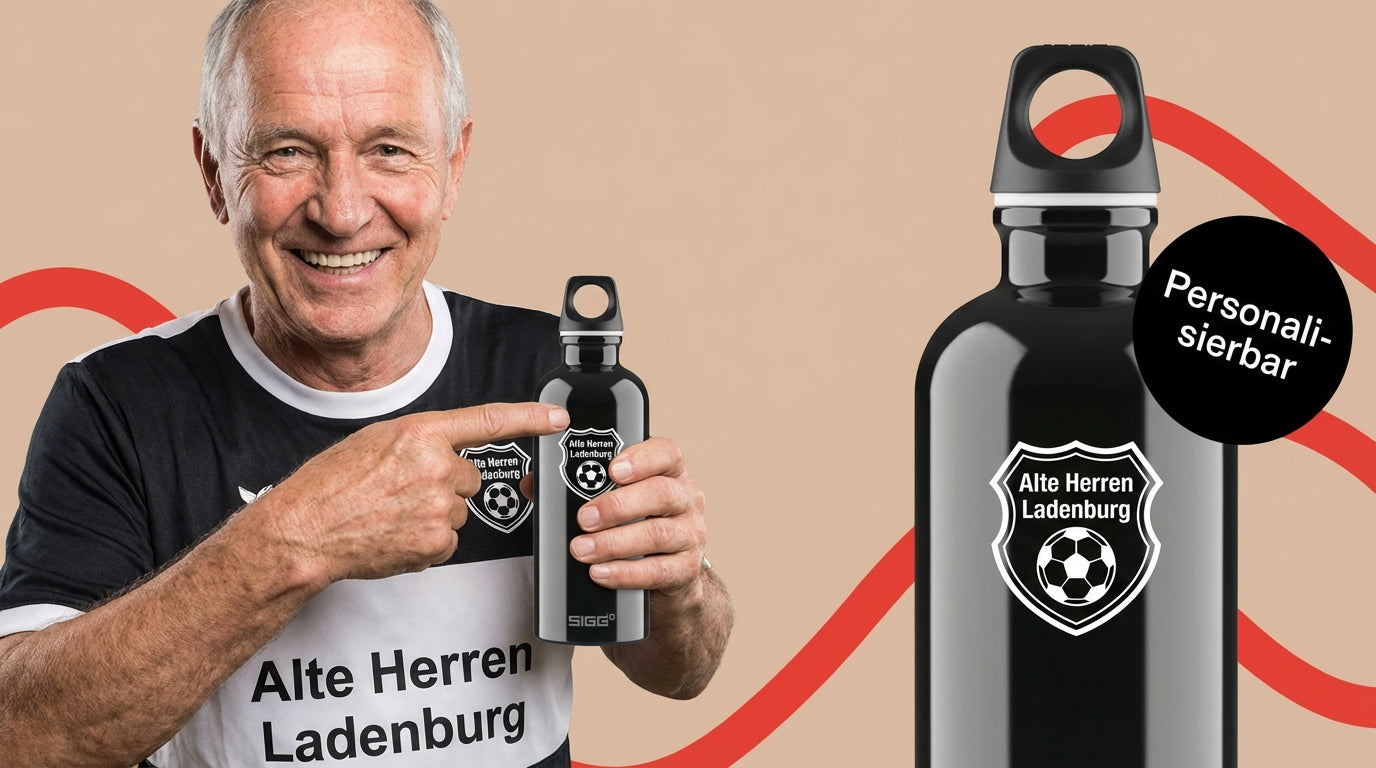
Another relevant trend is individualization. Water bottles with names, logos, or specific designs are used more frequently and for longer periods because they are not perceived as interchangeable. Personalization increases emotional attachment and reduces the likelihood that a water bottle will be replaced or forgotten.
This effect is particularly evident in schools and clubs. Children are more likely to reach for their own personalized water bottle when it can be clearly identified as theirs. In the workplace, high-quality, personalized water bottles strengthen identification with the company while also promoting sustainable behavior in everyday life.
Quality and Experience as Selling Points
More and more people are making conscious, long-term purchasing decisions. Instead of fleeting fads, brands with experience, material expertise, and consistent quality are gaining trust. A water bottle is considered trendy when it doesn’t need to be replaced after a short time but can be reliably used for years.
This trend is particularly evident at SIGG. The combination of Swiss precision, decades of experience, and modern product development results in water bottles that not only reflect trends but also outlast them.
Conclusion on water bottle trends
The trendy water bottle is functional, durable, and consistently sustainable. Stainless steel and aluminum water bottles are in the spotlight because they offer real advantages and noticeably simplify everyday life. Design is minimalist or deliberately bold, but never arbitrary. Trends emerge where products are used long-term—not where they generate short-term attention.